
Nick Goold
Revenge trading is one of the most common and damaging mistakes in forex trading. It usually happens after a loss, when a trader feels the need to win back money quickly. Instead of following a plan, decisions become emotional and rushed.
This shift in mindset is dangerous. What starts as a single impulsive trade can quickly turn into a series of poor decisions, often leading to even larger losses. Understanding how revenge trading works—and how to control it—is essential for long-term success.
What Is Revenge Trading
Revenge trading occurs when a trader tries to recover losses immediately by taking new trades without proper analysis. Instead of waiting for a valid setup, they enter the market based on emotion.
At this point, the market is no longer being treated objectively. It starts to feel personal, as if the market has “taken” something from the trader. This mindset leads to ignoring risk management rules and taking unnecessary risks.
Why Revenge Trading Happens
Revenge trading is driven by emotion rather than logic. Two emotions in particular play a major role: fear and anger. Fear often appears after a losing streak. Traders begin to doubt their ability and worry about further losses. This can push them to take trades too quickly in an attempt to regain confidence.
At the same time, losses can create frustration or anger. After spending time analyzing the market, traders may feel they “deserved” a winning trade. When that does not happen, they try to force the next trade to work, which usually leads to further mistakes.
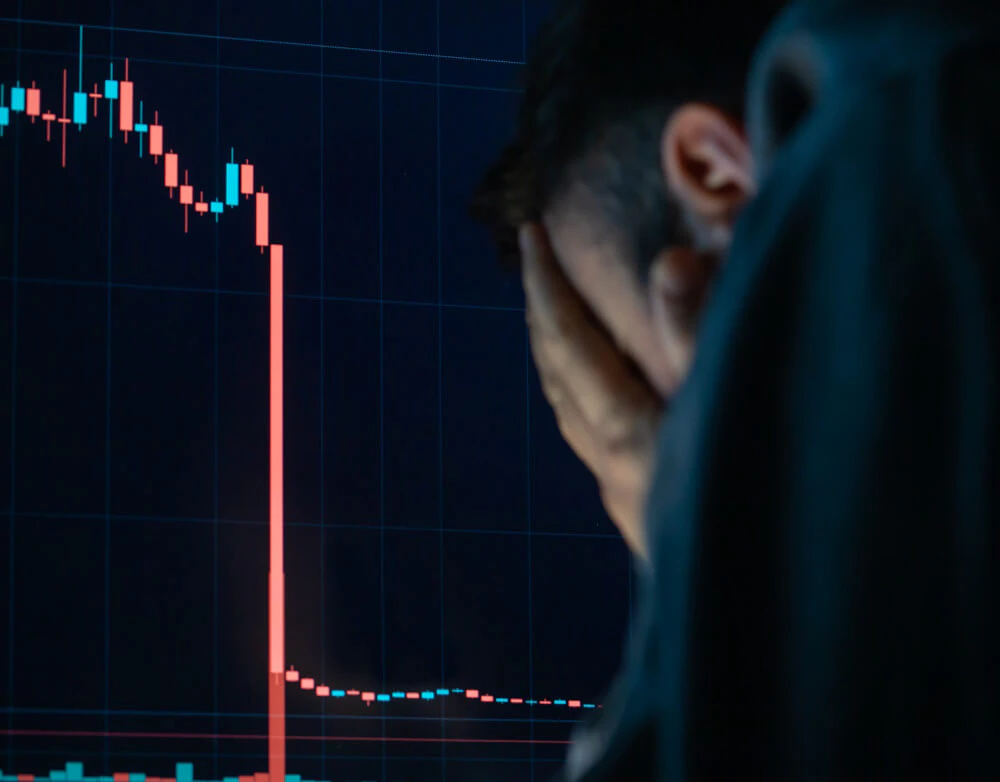
How Revenge Trading Affects Your Performance
Revenge trading damages both your account and your mindset. Financially, it often leads to larger losses because trades are taken without proper setups or risk control. Mentally, it creates a cycle. One loss leads to emotional trading, which leads to more losses, and the pattern continues. Over time, this reduces confidence and makes it harder to return to disciplined trading.
Breaking this cycle is critical. The longer it continues, the harder it becomes to regain control.
Recognize Emotional Triggers Early
The first step to avoiding revenge trading is awareness. You need to recognize when your emotions are influencing your decisions. If you feel frustrated, impatient, or desperate to recover losses, it is usually a sign that you should not be trading. Stepping back at this point can prevent further damage.
Accepting that these emotions are normal makes it easier to manage them. The goal is not to remove emotions completely, but to stop them from controlling your actions.
Use Risk Management to Protect Yourself
Strong risk management acts as a safety net. Every trade should have a predefined stop loss, and that stop should never be moved to avoid taking a loss.
Setting a daily loss limit is equally important. Once that limit is reached, trading should stop. This prevents a single bad session from turning into a much larger problem.
These rules help create structure and reduce the impact of emotional decisions.
Take Breaks and Reset Your Mindset
After a loss, especially a frustrating one, the best action is often to step away. Taking a short break allows your emotions to settle and helps you return with a clearer mindset.
Continuing to trade while emotional increases the chance of impulsive decisions. Even a short break can make a significant difference in how you approach the next opportunity.

Build Psychological Discipline
Successful traders understand that losses are part of the process. No strategy wins all the time, and expecting constant profits creates unnecessary pressure.
By accepting losses as normal, traders are less likely to react emotionally. This allows them to stay focused on execution rather than outcomes. Discipline comes from repetition—following your plan consistently, even after losses.
Keep Learning and Improving
Confidence in trading comes from understanding your strategy and the market. The more experience and knowledge you gain, the less likely you are to act impulsively. Reviewing your trades, learning from mistakes, and refining your approach all contribute to better decision-making. Over time, this reduces the urge to chase losses.
Revenge trading is not just a bad habit—it is a pattern that can seriously damage your results. By staying aware of your emotions, following a structured plan, and maintaining discipline, you can break this cycle and trade with greater consistency.