
Nick Goold
Central bank independence refers to the ability of a central bank to make monetary policy decisions without direct political interference. In practice, this means decisions about interest rates, inflation control, and money supply are based on economic data rather than short-term political goals.
This concept plays a major role in how currencies move. For FX traders, understanding central bank independence is not just theory. It directly affects interest rate expectations, market confidence, and long-term currency trends.
Why Central Bank Independence Matters in Forex
The primary objective of an independent central bank is to maintain economic stability. This usually means keeping inflation under control while supporting sustainable economic growth. When a central bank can act without political pressure, it is more likely to take decisions that are beneficial over the long term, even if they are unpopular in the short term.
For example, raising interest rates to control inflation can slow economic growth and create political pressure. A government may prefer lower rates to support short-term growth, especially ahead of elections. An independent central bank, however, can focus on controlling inflation without being influenced by these pressures.
This difference is important for traders. Markets tend to trust central banks that act consistently and independently. That trust is reflected in currency strength and stability.
How Independence Builds Market Confidence
Investor confidence is one of the key drivers of currency value. When traders and institutions believe that a central bank is credible and independent, they are more willing to hold assets in that currency.
This confidence comes from predictability. Independent central banks usually communicate clearly and follow a structured policy approach. Over time, this creates a stable environment where investors can make long-term decisions.
On the other hand, when a central bank is seen as politically influenced, uncertainty increases. Traders may worry that policies will change suddenly or be driven by short-term political goals rather than economic reality. This often leads to currency weakness.

Key Benefits of Central Bank Independence
There are several practical advantages that come from having an independent central bank. These benefits are directly linked to how currencies behave in the FX market.
First, independence supports lower and more stable inflation. When central banks are free to act, they can tighten policy when needed without delay. This helps prevent inflation from getting out of control.
Second, it reduces the risk of policy mistakes driven by politics. Governments may focus on short-term growth, but central banks focus on long-term stability. This balance is important for sustainable economic performance.
Third, it improves transparency. Independent central banks are usually required to explain their decisions clearly. This communication helps traders understand policy direction and reduces uncertainty in the market.
Examples of Independent Central Banks
Most developed economies operate with relatively independent central banks, although the level of independence varies.
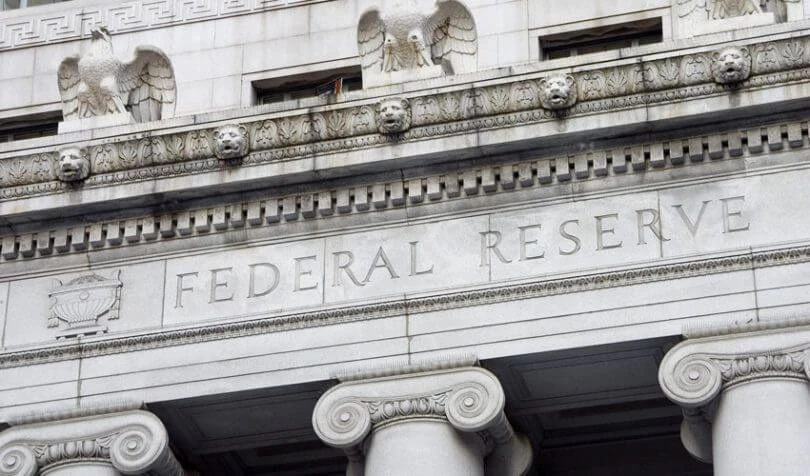
In the United States, the Federal Reserve is considered independent, but it remains accountable to Congress. Governors are appointed by the President, but their long terms help reduce political influence.
The European Central Bank is often seen as one of the most independent institutions globally. Its primary mandate is price stability, and it operates without direct political instruction from member states.
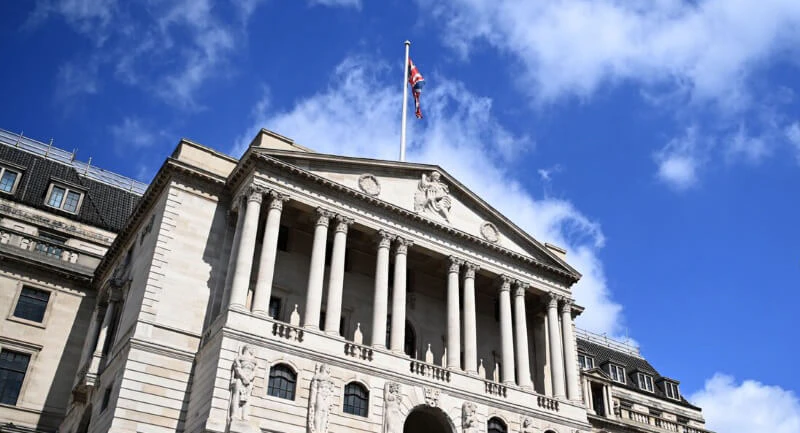
In the United Kingdom, the Bank of England sets monetary policy independently, although it communicates regularly with the government and remains accountable to Parliament.
Japan’s central bank also operates independently, but its relationship with the government is closer, and policy direction can sometimes reflect broader economic coordination.
When Independence Is Limited
Not all central banks operate with the same level of independence. In some countries, monetary policy is more directly influenced by the government. This can lead to higher inflation, unstable currency movements, and lower investor confidence. When markets believe that policy decisions are politically driven, they often demand higher risk premiums or move capital elsewhere.
Examples of countries where central bank independence is perceived as limited include China, Iran, Venezuela, and Zimbabwe. In these cases, currency movements are often less predictable and more sensitive to political developments.
Why Central Bank Announcements Move Markets
Even with independence, central bank communication plays a major role in FX markets. Traders closely watch policy statements, press conferences, and speeches from central bank leaders. Interest rate decisions are the most direct driver. If a central bank signals higher rates, the currency often strengthens as investors seek better returns. If it signals lower rates, the currency may weaken.
Forward guidance is equally important. Markets are forward-looking, so expectations about future policy can move prices even before any actual changes occur. The tone of communication also matters. A confident outlook can support a currency, while uncertainty or concern can lead to selling pressure.
Leadership Changes and Market Reactions
Changes in central bank leadership can have a significant impact on currency markets. The head of a central bank represents policy direction, so any change raises questions about future decisions.
If a new leader is seen as more politically aligned, markets may worry about reduced independence. This can weaken the currency as investors reassess risk. On the other hand, a respected and credible appointment can strengthen confidence and support the currency. Traders often react not just to the appointment itself, but to what it signals about future policy direction.
What FX Traders Should Focus On
For traders, central bank independence is not just a background concept. It should be part of daily market analysis. Understanding which central banks are truly independent helps in interpreting market reactions. It also improves the ability to assess whether a move is driven by fundamentals or political influence.
Key areas to focus on include interest rate trends, inflation data, policy communication, and any signs of political pressure on central banks. Over time, currencies linked to credible and independent institutions tend to perform more consistently. In contrast, currencies influenced by political uncertainty often show higher volatility and less predictable trends.
By paying attention to these factors, traders can better understand not just where the market is moving, but why it is moving.