
Nick Goold
Many beginner traders enter the forex market with high expectations, but often face losses early on. In most cases, these losses are not caused by the market itself, but by common mistakes that can be avoided with the right approach. Trading is a skill that develops over time, and understanding these mistakes early can significantly improve your long-term performance.
This article explains the most common forex trading mistakes and provides practical ways to avoid them. By focusing on habits, discipline, and risk control, you can build a more consistent and structured trading approach.
Underestimating the Difficulty of Trading
Forex trading is often presented as a quick way to make money, but in reality, it requires time, experience, and discipline. Many traders enter the market expecting fast results, only to take unnecessary risks or trade with size that is too large.
This pressure can lead to poor decisions and emotional trading. Trying to grow an account too quickly often results in losses that are difficult to recover from.
- Focus on learning before earning
- Trade small while developing your skills
- Measure progress by discipline, not short-term profit
Lack of Knowledge and Understanding
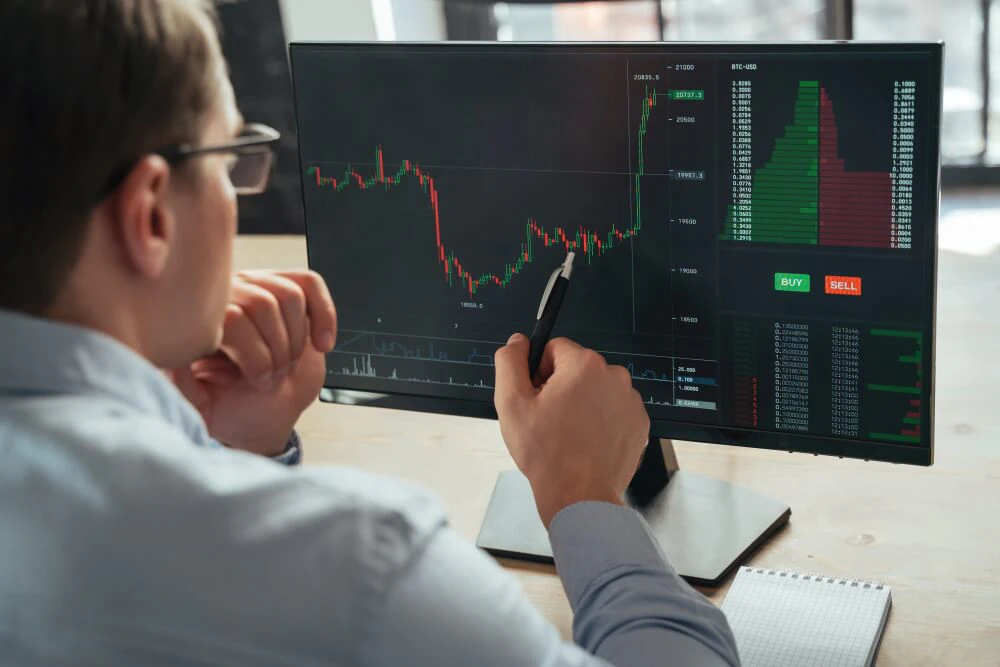
Successful trading requires a solid understanding of how markets move. This includes both technical analysis and fundamental drivers such as economic data and central bank policy. Without this foundation, traders often rely on random decisions or blindly follow others.
There is a large amount of free information available, but the key is learning how to interpret it rather than copying trades without understanding them.
- Study both technical and fundamental analysis
- Follow market news regularly
- Focus on understanding, not copying
Poor Risk Management
One of the biggest reasons traders lose money is not because they are wrong about the market, but because they do not manage risk properly. Even a good strategy can fail if losses are not controlled.
Without clear limits, a few losing trades can quickly damage an account. Risk management is what allows traders to stay in the game long enough to improve.
- Always use stop-loss orders
- Keep position size consistent with your risk level
- Risk only a small percentage of your capital per trade
Emotional Decision-Making
Trading involves uncertainty, and this often leads to emotional reactions. Fear, greed, and frustration can cause traders to break their rules, exit too early, or hold losing trades for too long.
Emotional trading usually leads to inconsistent results. The more emotional the decision, the less likely it is to follow a structured plan.
- Only trade when calm and focused
- Stop trading if you notice rule-breaking behavior
- Avoid trading when tired or stressed
Lack of Discipline and Patience
Many traders know what they should do but fail to do it consistently. They enter trades too early, exit too quickly, or chase the market after missing an opportunity.
Patience is required not only to wait for the right setup but also to allow trades to develop properly. Discipline is what connects your strategy to your results.
- Wait for clear confirmation before entering trades
- Follow your trading plan without exceptions
- Avoid revenge trading after losses
Overtrading and Lack of Focus
Trading too often is one of the fastest ways to lose money. Many traders feel the need to always be in the market, which leads to unnecessary trades and higher costs.
Trying to trade too many currency pairs at once can also reduce focus and decision quality. A more focused approach often leads to better results.
- Focus on quality setups, not quantity
- Trade a small number of markets you understand well
- Set specific trading hours and avoid low-quality conditions
Ignoring Fundamental Analysis
Technical analysis is important, but markets are also driven by economic events and news. Ignoring these factors can lead to unexpected losses, especially during high-impact events.
Understanding the bigger picture helps traders avoid trading at the wrong time or against strong market drivers.
- Stay updated on economic news and events
- Be aware of central bank decisions and interest rates
- Combine technical and fundamental perspectives
Failing to Adapt to Market Conditions
Markets are constantly changing. A strategy that works well in one environment may struggle in another. Traders who do not adapt often continue using the same approach even when conditions have shifted.
Recognizing changes in volatility, trends, or market behavior is key to maintaining performance.
- Review your results regularly
- Adjust your strategy if market conditions change
- Take a break and reassess after poor performance periods
Not Keeping Records or Learning from Mistakes
Without tracking your trades, it is difficult to improve. A trading journal helps identify patterns, strengths, and weaknesses over time.
Learning from past trades is one of the fastest ways to improve performance and build consistency.
- Record entry, exit, and reasoning for each trade
- Track emotions and decision-making
- Review both winning and losing trades regularly
Building Better Trading Habits Over Time
Improvement in trading does not come from finding a perfect strategy. It comes from developing strong habits, managing risk, and maintaining discipline over time.
By avoiding common mistakes and focusing on consistency, traders can gradually improve their performance and build confidence in their approach.