
Nick Goold
There are many trading strategies available, and it is common for new traders to feel unsure about which approach to follow. Books, online content, and social media often present different ideas, making the decision even more difficult. The key is not to find a “perfect” strategy, but to choose one that fits your time, personality, and ability to manage risk consistently.
One of the first decisions a trader should make is the timeframe they want to trade. Trading styles are generally divided into short-term, medium-term, and long-term approaches. Each has its own advantages, risks, and psychological demands, and understanding these differences is essential before developing a trading plan.
Understanding Different Trading Timeframes
Short-term trading includes styles such as scalping and day trading. In these approaches, traders open and close positions within the same day, and sometimes within minutes. The goal is to capture small price movements while avoiding overnight risk. This style requires focus, quick decision-making, and strong discipline.
Medium-term trading typically involves holding positions for several hours or a few days. Long-term trading, often referred to as swing trading, involves holding positions for weeks or longer to capture larger market moves. These approaches rely more on broader market trends and require patience to allow trades to develop over time.
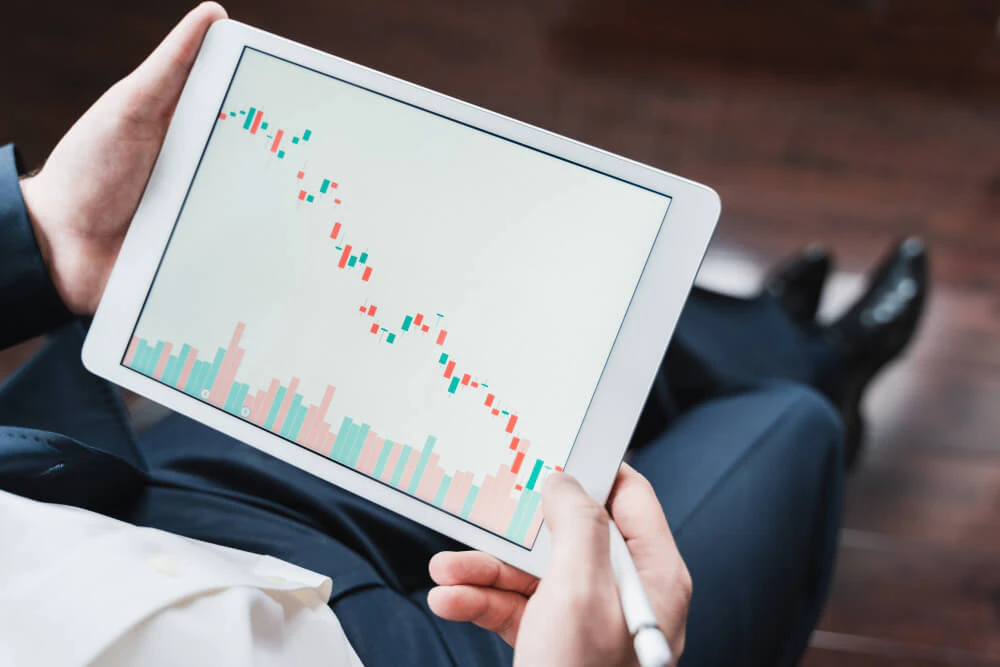
Each timeframe offers different opportunities, but this article focuses on why many traders prefer short-term trading and how it can be used effectively.
Mental Control: Managing Stress in Trading
All forms of trading involve risk, and no strategy works all the time. This means that every trade carries uncertainty, which can create stress for traders. Even small positions can feel uncomfortable when the market moves against expectations.
Short-term trading can help reduce this pressure because positions are not held for long periods. By closing trades within the day, traders limit exposure to overnight risks and unexpected news events. This shorter exposure time can make it easier to manage emotions and maintain focus, especially for traders who find it difficult to hold positions for extended periods.
Market Analysis: Reducing Exposure to Unpredictable Events
Markets are influenced by many factors, including economic data releases, central bank decisions, and large institutional flows. These factors can quickly change market direction, even when a trade setup looks strong.
Short-term trading allows traders to reduce the impact of these unpredictable events. By holding positions for a shorter time, traders can focus more on immediate price action and technical setups rather than long-term uncertainty. This approach can help limit the risk of sudden market moves that are outside the trader’s control.
Profit Opportunities and Risk Management
Day trading is often seen as risky, but in many cases, the risk comes from poor discipline rather than the strategy itself. Short-term trading provides more frequent opportunities to enter the market, but this also increases the temptation to overtrade.
Because short-term traders target smaller price movements, risk management becomes even more important. Setting clear stop-loss and take-profit levels, and sticking to them, is essential for maintaining consistency. Traders who follow their rules can take advantage of multiple opportunities without exposing themselves to unnecessary risk.
Choosing a Trading Style That Fits You
There is no single “best” trading style. Some traders prefer fast-paced environments and enjoy making quick decisions, while others prefer a slower approach that allows more time for analysis. Scalping, day trading, and swing trading can all be profitable if they match the trader’s personality and lifestyle.
Trying different approaches can help you understand which style suits you best. The goal is to find a method that you can follow consistently without unnecessary stress. A trading style that feels natural will make it easier to stay disciplined and avoid emotional decisions.
Focus on Developing One Approach
Once you have identified a trading style that works for you, the next step is to focus on improving within that approach. Each style requires different skills, whether it is fast execution in short-term trading or patience in longer-term strategies.
Rather than switching between strategies, successful traders spend time refining one method. This includes improving entry timing, managing risk more effectively, and understanding how market conditions affect their trades. Over time, this focused approach leads to better consistency and more stable results.