
Nick Goold
What happens when the U.S. market is closed?
Why is the Forex market so quiet today?
Should you still trade Forex on a U.S. holiday?
If you're asking these questions, you're not alone. Many traders don’t realize how much the U.S. market influences global Forex price movements—until their strategies stop working. In this guide, you’ll learn how to adjust your trading during U.S. holidays, why market volatility drops, and how to avoid unnecessary losses.
📅 Always Check for U.S. Holidays Before You Trade Forex
One of the most important habits you can build as a Forex trader is this:
Check if today is a U.S. market holiday before you start trading.
Even though there are many automated systems in the Forex market, a large portion of trading volume still comes from human traders, especially in the U.S. On public holidays, these traders stay away, and market liquidity slows down. If you trade like it’s a normal day, your strategy may not perform as expected—leading to frustration, poor decisions, and losses.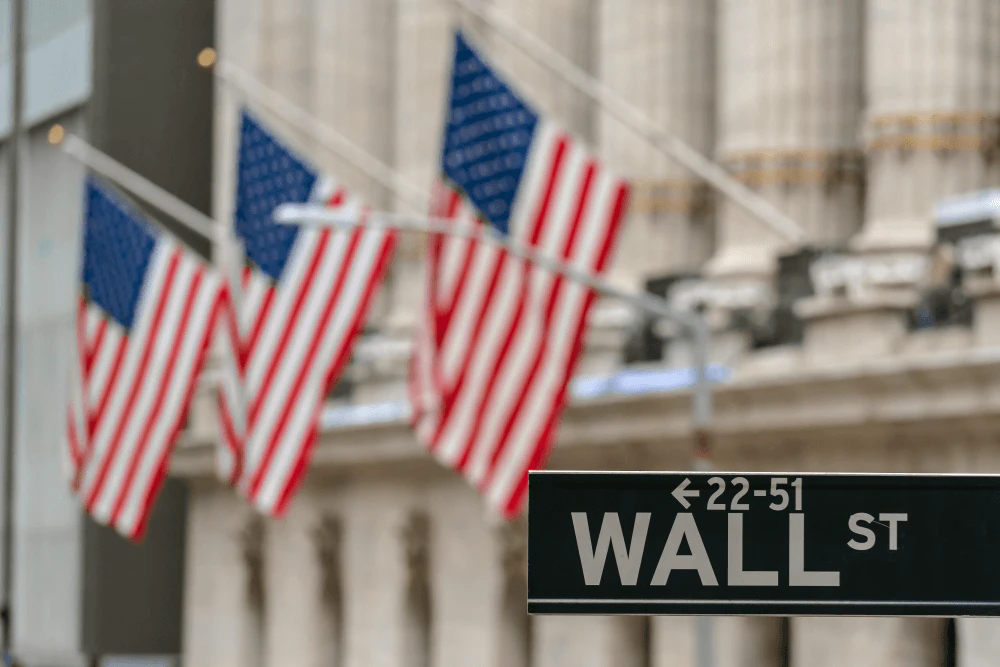
🇺🇸 Why the U.S. Market Drives Global Forex Markets
The U.S. market plays a central role in global Forex trading. It often sets the direction for price movements worldwide. During the New York session, traders typically see:
- The highest trading volume
- The strongest price movements
- The biggest reactions to economic news
When the U.S. market is closed:
- Forex market liquidity drops across all sessions
- Breakouts and trends become weaker
- Traders in Europe and Asia often reduce activity
Even if your local market (such as Tokyo or London) is open, trading conditions are usually quieter without U.S. participation.
🌍 How Forex Traders Adjust on U.S. Holidays
Professional Forex traders in Asia and Europe understand this shift in market conditions. Many use U.S. holidays as an opportunity to:
- Take a break from trading
- Review past trades and performance
- Prepare for upcoming high-volume sessions
- Avoid unnecessary trading risk
They recognize that trading opportunities are limited and that protecting capital is more important than forcing trades in low-volatility conditions.
⚠️ How U.S. Holidays Affect Forex Trading Performance
When the U.S. market is closed, global Forex trading activity slows down significantly. This creates a very different environment compared to normal trading days—and failing to adjust your strategy can lead to poor results.
Even if your local market is open, the absence of major U.S. institutions results in:
- Lower liquidity in the Forex market
- Reduced price volatility
- Fewer high-impact news events
- Weaker market momentum
This environment impacts traders in several ways:
❌ Profit Targets Are Harder to Reach
Lower volatility means price may not move far enough to hit your usual targets, while stop losses can still be triggered by random price fluctuations.
❌ Trading Strategies May Underperform
Breakout and trend strategies often fail in low-volume markets due to lack of follow-through. Trades may stall or reverse without clear direction.
❌ Increased Risk of Overtrading
Quiet markets can lead to boredom, causing traders to take low-quality setups. This often results in poor risk-reward trades and unnecessary losses.
- Poor timing
- Weak setups
- Emotional decisions
- Avoidable losses
U.S. holidays don’t just reduce volatility—they can negatively affect your trading mindset and discipline. Adjusting your approach is essential to stay consistent and protect your capital.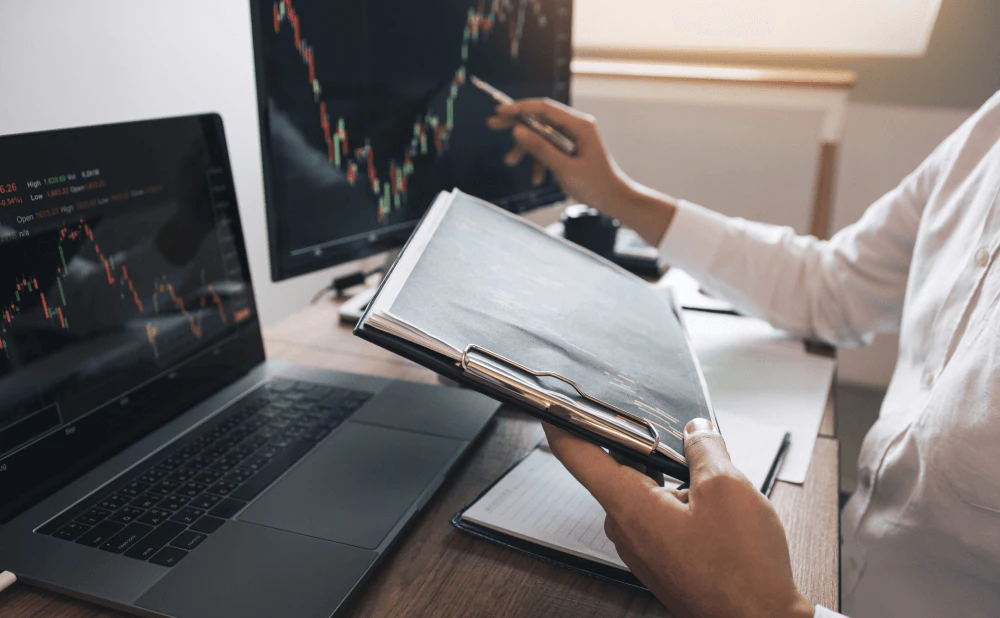
🧠 How Successful Forex Traders Adapt to Low-Volatility Markets
Successful traders understand that market conditions change daily. Instead of using a fixed strategy, they adjust based on current volatility and liquidity.
During U.S. holidays, experienced Forex traders focus on reducing risk and staying disciplined.
📉 For Day Traders:
- Trade less or stay out
If conditions are poor, not trading is often the best decision. - Lower profit targets
Adjust expectations to match reduced market movement. - Tighten stop-loss levels
Reduce exposure to random price fluctuations. - Focus on range trading
Look for support and resistance instead of breakouts. - Avoid overtrading
Stay patient and disciplined.
📊 For Swing Traders:
- Identify early setups
Quiet markets can reveal clean technical patterns. - Use price alerts
Avoid screen-watching and emotional trades. - Be cautious of false breakouts
Low volume can create fake signals. - Focus on planning
Use this time for research and preparation.
Adapting your trading strategy to market conditions is key to long-term success. U.S. holidays are best treated as low-risk environments—not high-opportunity days.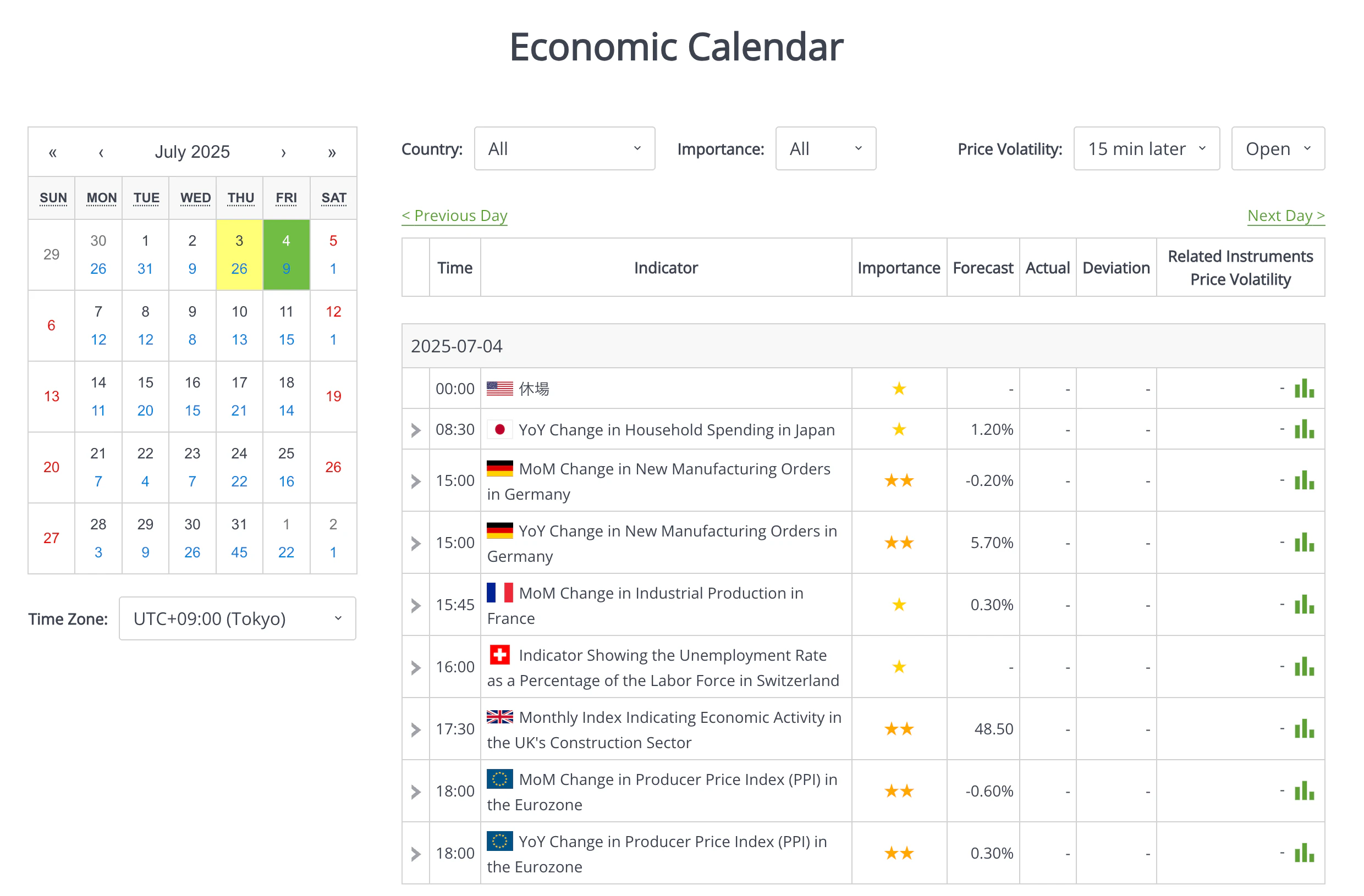
✅ Use a Forex Economic Calendar Daily
To improve consistency, make it a habit to check a Forex economic calendar before trading. The Titan Research Hub provides:
- U.S. market holidays
- Major economic events (CPI, NFP, FOMC)
- Global market closures
👉 Check the Titan Research Hub Calendar here before each trading session.
Trade Smarter by Adapting to Market Conditions
U.S. holidays can significantly impact Forex market behavior. Treating them like normal trading days often leads to mistakes.
Instead:
- Check for U.S. holidays before trading
- Adjust your Forex strategy based on volatility
- Focus on risk management and capital protection
- Be patient and wait for stronger opportunities
Understanding daily market conditions is key to consistent trading performance. The best traders adapt—and that’s how long-term success is built.