
Nick Goold
Market holidays can change the way the forex market behaves. Trading activity often slows, liquidity becomes thinner, and price movements can become less predictable. For many traders, this creates frustration. However, with the right approach, these quieter periods can also offer controlled and structured opportunities.
Understanding how the market behaves during holidays allows you to adjust your strategy rather than forcing trades in conditions that do not suit your usual setup.
How Market Holidays Affect Forex Trading
Market holidays occur when major financial centers are closed. Since forex is a global market, it does not fully stop, but activity is reduced when key regions are inactive.
For example, when London is closed, overall liquidity drops significantly because it is the largest trading hub. U.S. and Japanese holidays also reduce participation, especially in pairs linked to those economies.
This creates two main changes in market behavior:
- Price often moves more slowly due to fewer participants
- Sudden moves can still happen due to low liquidity
This combination is what makes holiday trading unique. The market may appear quiet, but moves can still be sharp when orders come in.
Focus on Range Conditions and Controlled Setups
During holidays, many currency pairs move within tighter ranges. With fewer large players active, the market often lacks the strength to trend consistently.
This creates opportunities for traders who focus on support and resistance. Instead of chasing breakouts, it can be more effective to trade reactions within a defined range.
A practical approach is to watch for false breaks. When price briefly moves beyond a level and then returns, it often signals that there is not enough momentum to sustain a move. These situations can offer cleaner entries with defined risk.
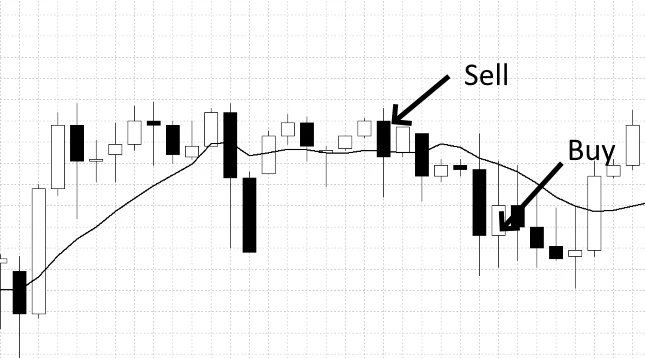
Using tools like Bollinger Bands or recent highs and lows can help identify when the market is stretched within these conditions.
Be Careful with Breakouts in Low Liquidity
Breakouts still happen during holidays, but they behave differently. In thin markets, price can move quickly through levels, not because of strong conviction, but because there are fewer orders on the other side.
This often leads to false breakouts where price moves beyond a level and then quickly reverses once liquidity returns. Rather than entering immediately, it is often better to wait and see if the move holds. If the breakout fails, it can provide an opportunity in the opposite direction.
Adjust Your Trading Style to Market Conditions
Short-term trading can still work during holidays, but it requires adjustments. Lower timeframes may offer more opportunities, but they also contain more noise. Some traders choose to reduce their activity and focus only on clear setups. Others use the time to plan and prepare for when normal liquidity returns.
Both approaches are valid. What matters is matching your strategy to the current conditions rather than forcing your usual approach.
Manage Risk More Carefully Than Usual
Risk management becomes more important when liquidity is lower. Price can move unexpectedly, and spreads may widen without warning.
There are a few simple adjustments that can help:
- Reduce position size to limit exposure
- Use limit orders where possible to control entry price
- Allow slightly wider stops to account for irregular movement
These changes help account for the less stable conditions without overcomplicating your trading process.
Pay Attention to News and Timing
Even during holidays, economic data and news releases can still move the market. In fact, with fewer participants, these moves can be exaggerated.
A quiet market can suddenly become active if unexpected news appears. This is why it is important to stay aware of the economic calendar, even during slower periods.
Understanding when key sessions overlap or reopen is also useful. Activity often increases when major markets return, and this can create clearer direction.

Use Holidays to Prepare, Not Just Trade
Market holidays are not only for trading. They are also a good time to step back and review your approach. With less pressure to trade, you can analyse recent performance, refine your strategy, and build a watchlist for upcoming opportunities. This preparation often has more value than forcing trades in slow conditions.
If the market moves without strong fundamental reasons during a holiday, it can also highlight areas where price may correct once liquidity returns.
Focus on Risk and Reward, Not Win Rate
Holiday trading can tempt traders into taking more frequent, smaller trades due to slower conditions. However, this often leads to inconsistent results. Instead of focusing on how often you win, focus on how much you risk compared to what you expect to gain. Even in slower markets, maintaining a balanced risk-to-reward approach is what supports long-term consistency.
Waiting for clear setups, managing exposure, and adapting to conditions will always produce better results than trying to trade every small move. Market holidays may feel quieter, but they still require discipline. The traders who perform best during these periods are usually the ones who trade less, plan more, and stay aligned with their strategy.