
Nick Goold
News events are one of the main drivers of movement in the forex market. Economic data, central bank decisions, and geopolitical developments can quickly change expectations and create sharp price moves.
For traders, this creates both opportunity and risk. Volatility increases, spreads can widen, and price can move faster than usual. Understanding how to approach these conditions is essential for consistent trading.
Why News Moves the Forex Market
Currency prices are driven by expectations about economic performance, interest rates, and global risk sentiment.
When new information is released, the market adjusts quickly. Some of the most important events include:
- Economic data such as GDP, inflation, and employment
- Central bank decisions, especially interest rate changes
- Geopolitical developments that increase uncertainty
These events do not just move price. They change how traders view the future, and that is what drives trends.
Strategy 1: Trading the Initial News Reaction
The first approach focuses on the immediate reaction after a news release. When major data is released, price often moves quickly as traders react. This creates short-term opportunities, especially for traders who can make fast decisions.
The key idea is simple. If the news is stronger or weaker than expected, price may move sharply in one direction.
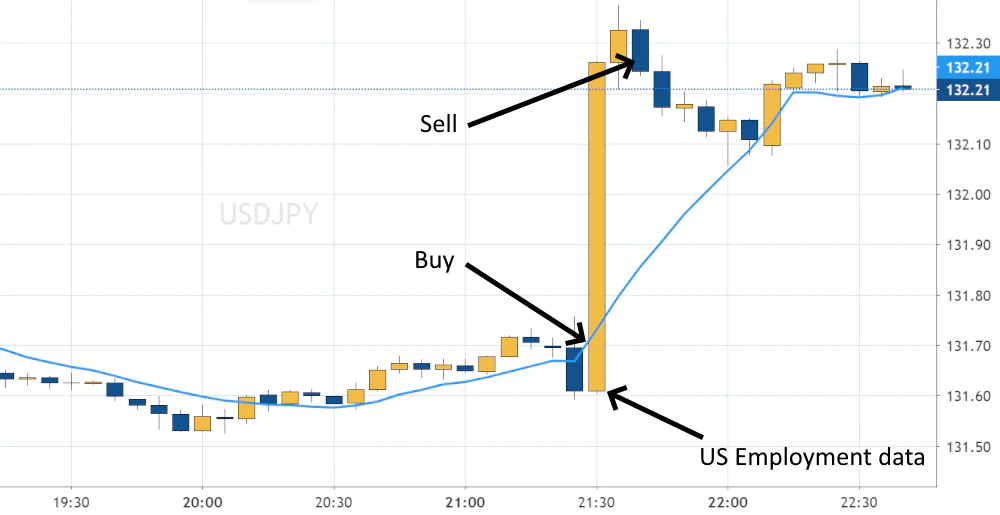
However, this strategy comes with higher risk. Moves can reverse quickly, and spreads may widen during the announcement.
To manage this:
- Keep position size small
- Use stop-loss orders
- Avoid chasing price after large moves
This approach suits experienced traders who are comfortable with fast execution and higher volatility.
Strategy 2: Trading the Overreaction
Markets often react too strongly in the short term. This creates opportunities for traders who are willing to wait. After the initial move, price may extend too far before stabilizing. This is known as an overreaction.
Instead of trading immediately, traders wait for the first move to slow down and then look for signs of a reversal.
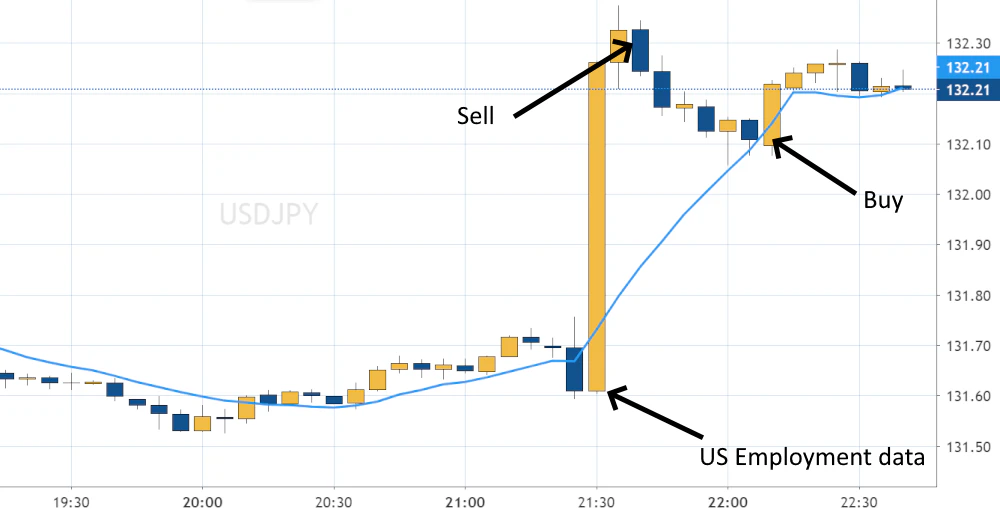
This approach requires patience and timing. Entering too early can lead to losses if the move continues.
A practical way to apply this strategy is to:
- Wait for price to stall after a strong move
- Look for reversal signals on lower time frames
- Use tight stop-loss levels
This method can work well in fast markets, but it requires discipline and experience.
Strategy 3: Following the Post-News Trend
The most stable approach is to wait for the market to settle and then trade the new trend. After the initial volatility, a clearer direction often develops. This trend is based on how the market interprets the news.
Rather than reacting immediately, traders focus on confirmation.
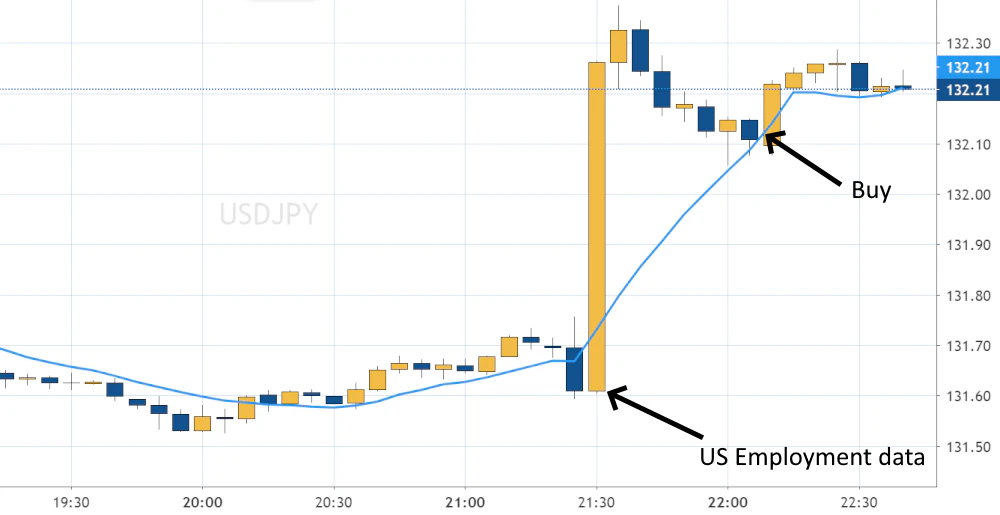
This approach typically involves:
- Waiting for price to form structure after the news
- Identifying trend direction using simple tools like moving averages
- Entering on pullbacks rather than chasing breakouts
Although this method may miss the initial move, it often provides more controlled entries and lower risk.
Choosing the Right Approach
Each strategy fits a different trading style. Faster traders may prefer reacting to news or trading overreactions, while more patient traders may focus on following trends. The key is consistency. Switching approaches without a clear plan often leads to poor decisions.
Before trading any news event, it is important to know:
- What event is being released
- What the market expects
- How much volatility is likely
This preparation helps avoid emotional decisions during fast-moving conditions.
Managing Risk During News Events
Risk management becomes even more important during news trading. Price can move unpredictably, and conditions can change quickly. Even strong setups can fail.
To stay consistent:
- Reduce position size during high-impact events
- Avoid trading if conditions are unclear
- Focus on quality setups rather than frequency
Trading less during uncertain conditions often leads to better results over time.
Building a Structured Approach to News Trading
News trading is not about reacting to every headline. It is about understanding how the market processes information. By choosing a clear strategy, waiting for the right conditions, and managing risk carefully, traders can take advantage of volatility without exposing themselves to unnecessary losses.
Over time, this structured approach helps turn unpredictable news events into repeatable trading opportunities.