
Nick Goold
Weekend Gap Trading Strategy in Forex
The forex market operates continuously during the week, but it pauses over the weekend. When trading resumes, price does not always reopen at the same level where it closed. This creates what traders call a weekend gap — a price difference between Friday’s close and the new opening price.
These gaps can create trading opportunities, but they also introduce risk. Understanding when and how to trade them is important if you want to use this strategy consistently.
What Causes Weekend Gaps in Forex Markets
Weekend gaps are driven by events that occur when the market is closed. Since trading is paused, prices cannot adjust in real time. When markets reopen, price quickly reflects any new information.
Common causes include geopolitical developments, central bank comments, economic announcements, or unexpected global events. If the impact is significant, the opening price may jump higher or lower compared to Friday’s close.
Why Traders Focus on Gap Closure
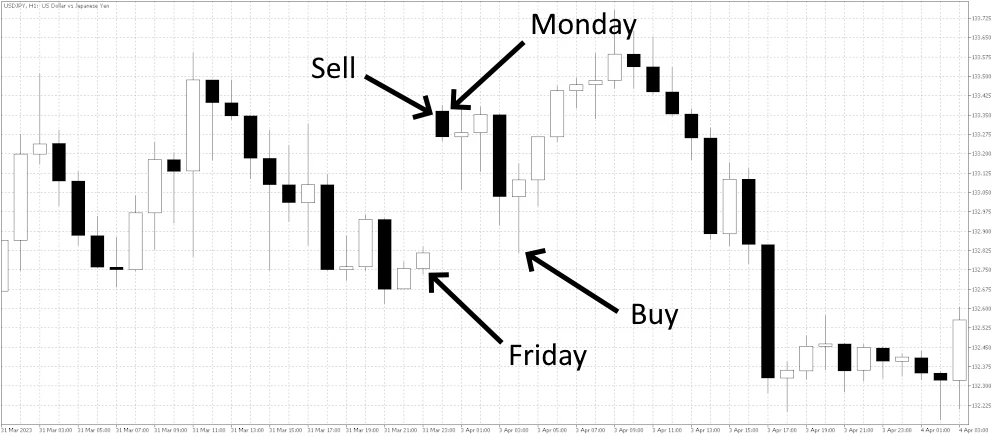
The main idea behind this strategy is that markets often return to previous price levels after a gap forms. This is known as “filling the gap.” It happens because the initial move is sometimes driven by emotional reactions or low liquidity at the open. As trading volume increases, price can stabilize and move back toward the prior closing level. This tendency is what many traders try to capture.
However, not all gaps close. Some represent a real shift in market expectations and can lead to strong trends. Recognizing the difference is where experience becomes important.
How to Trade Weekend Gaps Effectively
A structured approach is important when trading gaps. Entering without a plan often leads to poor decisions, especially during volatile market openings. Start by identifying whether a meaningful gap exists. Small gaps are common and often not worth trading, while larger gaps tend to offer clearer opportunities.
Next, assess direction. If price opens higher than Friday’s close, many traders look for short opportunities, expecting price to move back down. If price opens lower, traders often look for long setups targeting a move upward.
Timing is critical. The first minutes after the market opens can be unstable, as traders close positions from the previous week. Waiting for this initial volatility to settle often provides a clearer entry.
Stops and targets should be defined before entering the trade. A common approach is to target the previous close while placing a stop beyond the opening level. This creates a structured risk profile and avoids emotional decisions.
When Gap Trading Works Best
Not all market conditions are suitable for gap trading. The strategy tends to perform better when gaps are driven by short-term reactions rather than major structural changes. Smaller to medium-sized gaps are more likely to close, while very large gaps often indicate strong momentum or new information entering the market.
It is also important to consider the broader context. If the market is already trending strongly, a gap in the direction of the trend is less likely to close quickly. In contrast, gaps against the prevailing trend may reverse more easily.
Key Risks to Be Aware Of
Gap trading may appear simple, but it carries specific risks that traders need to manage carefully.
One of the main risks is assuming that every gap will close. This is not always the case. Some gaps mark the beginning of a new trend, and trading against that move can lead to extended losses.
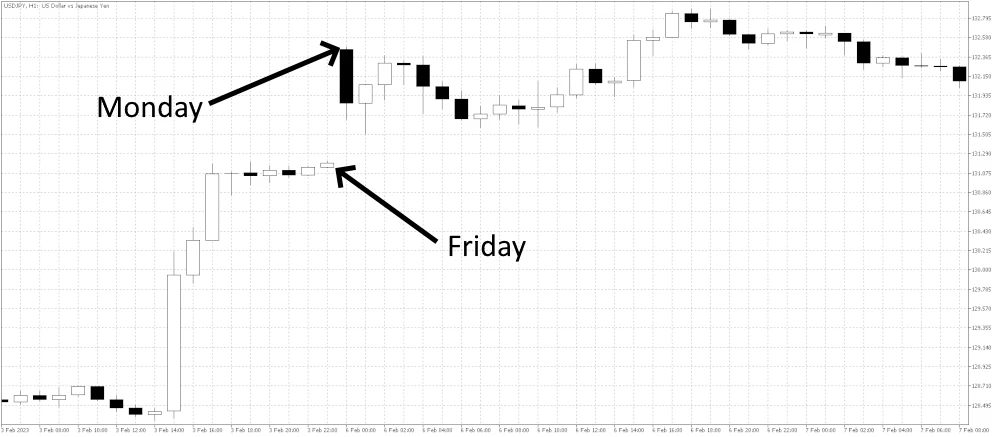
Another challenge is slippage. At the market open, liquidity can be limited, and orders may be filled at worse prices than expected. This can increase losses beyond planned risk levels.
Wide gaps caused by major events can also create unstable conditions. In these situations, spreads may widen and price movements may become unpredictable.
Risk Management for Weekend Gap Trading
Managing risk is essential when trading gaps, as conditions can change quickly. Limiting risk per trade helps protect your account from unexpected outcomes. Even if a gap trade looks clear, it should still be treated like any other setup with defined risk.
It is also important to avoid overexposure. Trading multiple correlated currency pairs at the same time can increase risk if the market moves against you. Staying aware of weekend news is another key factor. Understanding what caused the gap helps you judge whether it is likely to close or continue.
Testing and Building Confidence
Before trading this strategy with real capital, it is important to review how gaps behave over time. Looking at historical charts can help you understand patterns such as how often gaps close and how long it typically takes.
Practicing in a demo environment allows you to refine your approach without financial pressure. This helps you develop consistency and confidence before applying the strategy in live markets.
Developing Discipline in Gap Trading
Gap trading requires patience. Opportunities only appear once a week, and not every gap is worth trading. Waiting for the right conditions is part of the process. Emotional decisions can reduce performance. Entering too early, ignoring stop losses, or forcing trades when conditions are unclear often leads to unnecessary losses.
By focusing on clear setups, controlled risk, and consistent execution, traders can approach weekend gaps in a structured way and improve their overall performance.