
Nick Goold
How Algorithmic Trading Has Changed the Forex Market
The forex market has changed significantly over the past decade, largely due to the rise of algorithmic trading. What was once dominated by manual trading and slower decision-making is now driven by speed, automation, and data. Today, a large portion of forex transactions are executed by algorithms that can analyse markets and place trades in milliseconds.
Algorithmic trading, often referred to as algo trading, uses computer programs to execute trades based on predefined rules. These systems process large amounts of data, identify patterns, and react to market conditions without human intervention. As a result, the structure of the forex market has evolved, affecting everything from liquidity to price behaviour.
What Is Algorithmic Trading in Forex?
Algo trading involves using automated systems to analyse market data and execute trades. These systems can incorporate technical indicators, economic data, news releases, and even order flow information. Instead of relying on manual decisions, trades are triggered automatically when specific conditions are met.
This allows traders and institutions to respond instantly to market changes. Algorithms can monitor multiple currency pairs at the same time, identify short-term opportunities, and execute trades with precision that is not possible manually.
How Algo Trading Has Increased Market Liquidity
One of the most noticeable effects of algorithmic trading is the increase in market liquidity. Algorithms, particularly those used by market makers and high-frequency traders, continuously place buy and sell orders. This creates a more active market with tighter spreads and smoother execution.
For traders, this means lower transaction costs and easier entry and exit from positions. However, this liquidity can also change quickly during periods of uncertainty, especially when algorithms withdraw from the market at the same time.
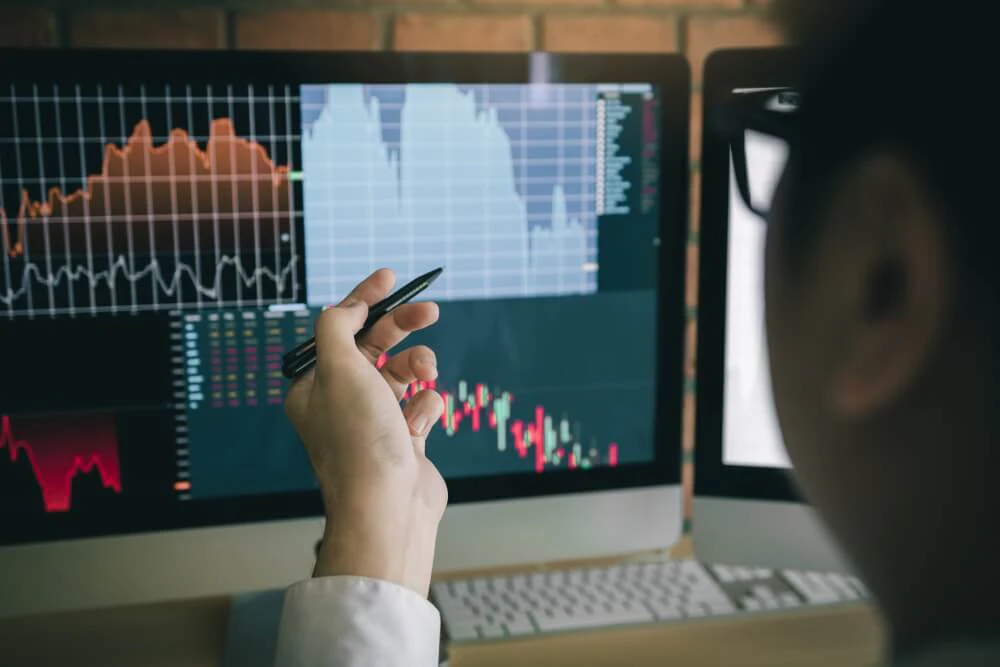
The image above reflects how algorithmic participation has increased the depth of the market, making price movement more continuous under normal conditions.
Speed and Execution in Modern Forex Markets
Speed is one of the defining features of algo-driven markets. Trades are now executed in fractions of a second, and price movements can happen much faster than in the past. Algorithms are designed to react immediately to changes in price, economic data, or news events.
This has reduced delays and improved execution efficiency, but it has also made markets more competitive. Traders must now adapt to faster conditions, where opportunities can appear and disappear quickly.
How Algo Trading Improves Price Discovery
Price discovery refers to how markets determine the correct value of a currency. With algorithmic trading, this process has become more efficient. Algorithms analyse vast amounts of historical and real-time data, helping markets adjust quickly to new information.
This means that prices tend to reflect available information more accurately. However, it also reduces the number of obvious inefficiencies in the market, making it harder for traders to find easy opportunities.
Greater Market Access for All Traders
Another major change is accessibility. In the past, advanced trading tools and automated strategies were mostly limited to large financial institutions. Today, technology has made these tools available to a much wider audience.
Retail traders can now use algorithmic strategies, trading platforms, and automation tools that were once only available to banks and hedge funds. This has increased participation in the forex market and created a more competitive environment.
Risk Management in an Algo-Driven Market
Algorithmic trading has also improved risk management. Automated systems can calculate position sizes, monitor exposure, and execute stop-loss orders instantly. This helps reduce the impact of emotional decision-making and ensures that risk is managed consistently.
At the same time, reliance on algorithms introduces new risks. Rapid price movements, especially during news events, can lead to sudden spikes in volatility. Traders need to remain aware of these conditions and avoid overexposure.
- Algorithms improve consistency in trade execution
- Risk controls can be applied automatically
- Volatility can increase quickly during major events
How Algorithmic Trading Has Changed Market Behaviour
The presence of algorithms has changed how price moves in the forex market. Short-term movements are often driven by automated strategies reacting to similar signals at the same time. This can create sharp moves, quick reversals, or periods of low volatility followed by sudden activity.
For traders, this means that traditional approaches may need to be adjusted. Understanding how algorithms operate can provide insight into why the market behaves in certain ways, especially around key levels or during news releases.
Adapting to a Market Dominated by Algorithms
Trading in today’s market requires an understanding of speed, liquidity, and behaviour shaped by algorithms. While the core principles of supply and demand remain the same, the way those forces are expressed has evolved.
Traders who adapt to these changes by focusing on execution, risk management, and market structure are better positioned to succeed. Rather than competing directly with algorithms, the goal is to understand how they influence price and use that knowledge to make more informed trading decisions.