
Nick Goold
How Professional Traders Think Differently from Amateurs
One of the most important steps in improving as a trader is understanding how professional traders approach the market compared to beginners. Many amateur traders believe that success comes from learning patterns, indicators, or following news headlines. While these tools can be helpful, they often only scratch the surface of what actually moves price.
Professional traders take a different approach. Instead of relying only on technical setups, they focus on what is happening underneath the chart. They understand that markets move because of real buying and selling pressure, not because of patterns alone. This shift in thinking is what separates consistent traders from those who struggle.
Understanding What Really Moves Price
At its core, the market is driven by supply and demand. Every price movement reflects an imbalance between buyers and sellers. When buyers are more aggressive, price moves higher. When sellers dominate, price moves lower. This sounds simple, but it explains why markets often behave differently from what charts or indicators might suggest.
Amateur traders often expect price to react at specific levels because a textbook says so. However, if there is strong buying or selling pressure, those levels can break easily. Professional traders recognise that price levels only matter if there is real order flow supporting them.
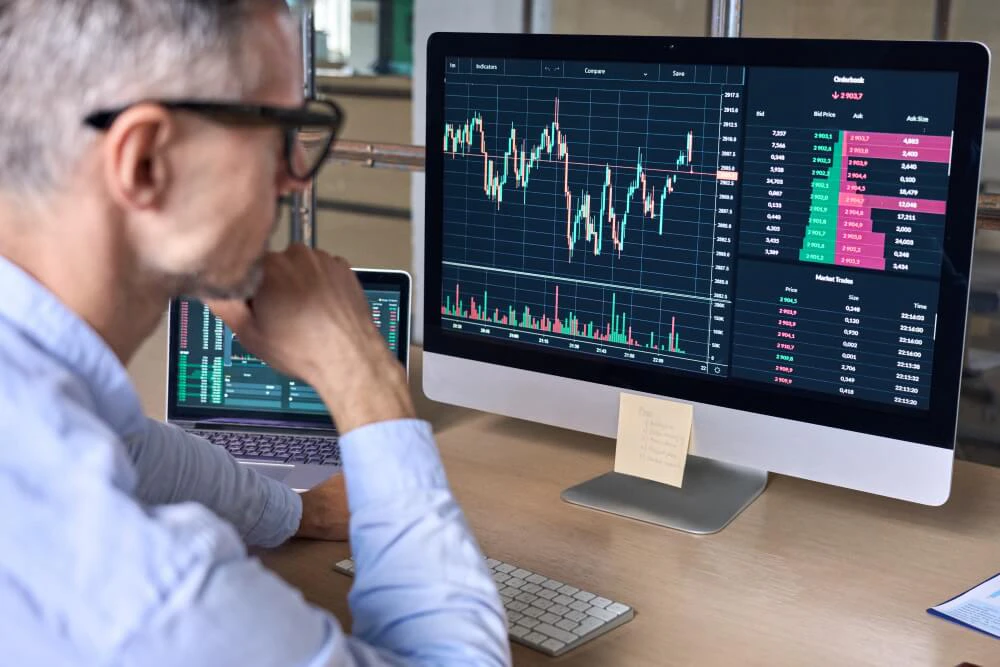
The image above reflects the difference in mindset. Professionals focus on underlying market activity, while amateurs often focus only on what they see on the chart.
The Professional Trader’s Edge: Thinking in Order Flow
One of the biggest differences is how professionals think about order flow. Instead of asking where a pattern forms, they ask who is in control of the market. Are buyers stepping in aggressively, or are sellers pushing price lower?
They also consider where orders are likely to be placed. For example, around key levels such as support, resistance, or round numbers, many traders place stop-loss and breakout orders. These orders can create momentum when triggered.
Imagine a market approaching a well-known resistance level. Many amateur traders will expect price to reverse. A professional trader, however, will think about what happens if that level breaks. If there are large stop orders just above, those orders can push price higher very quickly. By anticipating this, professionals often position themselves before the move happens rather than reacting after it.
This approach does not rely on predicting the market perfectly. Instead, it focuses on understanding how other traders are positioned and how their orders can influence price.
Market Sentiment and Crowd Behaviour
Another key difference is how professional traders interpret market sentiment. Sentiment reflects the overall mood of the market and what most traders expect to happen next. When sentiment is positive, traders are more willing to buy. When sentiment is negative, selling pressure increases.
Amateur traders often follow sentiment, entering trades when a move is already well underway. This usually means buying near highs or selling near lows. Professional traders take a more balanced view. They pay attention to sentiment but also recognise when it becomes extreme.
When too many traders are positioned in the same direction, the market becomes vulnerable to a reversal. Professionals look for these moments, where expectations are stretched, and price may move in the opposite direction.
How to Read Market Sentiment in Practice
Understanding sentiment is not about relying on a single indicator. It comes from observing how traders react to news, price movements, and key levels. Economic data, central bank commentary, and global events all shape sentiment, but so does trader behaviour.
In today’s markets, sentiment can also be seen through online activity. Social media, trading communities, and market commentary often reflect the current mood. While this information should not be followed blindly, it can provide useful insight into how crowded a trade has become.
Over time, traders develop a feel for when the market is balanced and when it is stretched. This awareness helps avoid entering trades too late and improves timing.
Shifting from Reactive to Strategic Thinking
The biggest shift between amateur and professional trading is moving from reacting to anticipating. Amateur traders often wait for confirmation from indicators or patterns. By the time they enter, the move may already be well advanced.
Professional traders think ahead. They consider where liquidity is, where orders may be triggered, and how other traders are likely to react. This allows them to position themselves earlier, often with better risk-to-reward opportunities.
This does not mean they are always right. Losses are still part of trading. However, their decisions are based on a deeper understanding of how markets function, which leads to more consistent results over time.
Key Differences in Approach
The difference between amateur and professional traders is not just about knowledge, but about perspective. Professionals focus on the underlying drivers of price, while amateurs often focus only on surface-level signals.
- Amateurs focus on patterns and indicators, professionals focus on order flow
- Amateurs react to price moves, professionals anticipate them
- Amateurs follow the crowd, professionals analyse sentiment extremes
- Amateurs rely on rules, professionals adapt to market conditions
By gradually shifting your focus toward order flow, sentiment, and trader behaviour, you begin to see the market in a different way. This change in perspective is often the turning point for traders looking to improve consistency and long-term performance.