
Nick Goold
Why Stop-Loss Timing Matters
In forex and CFD trading, knowing when to exit a losing trade is just as important as knowing when to enter. Many traders focus on finding good entries, but long-term performance is largely determined by how well losses are controlled.
A well-timed stop-loss protects your capital and allows you to stay in the market over time. Poor stop-loss timing, on the other hand, can lead to unnecessary losses or holding onto trades that are no longer valid.
The goal is simple: exit quickly when the trade idea is no longer valid, and preserve capital for the next opportunity.
Set Your Stop-Loss Before Entering
One of the most important habits in trading is defining your stop-loss before entering a position. This removes emotional decision-making and keeps your risk consistent.
Before every trade, you should clearly define:
- Your entry point
- Your stop-loss level
- Your profit target
Once the trade is live, avoid adjusting your stop based on fear or short-term price movement. Your stop-loss should reflect your trading idea, not your emotions.
Where to Place Stop-Loss Orders
Stop-loss placement should be based on market structure rather than random distances. The most common approach is to use support and resistance levels.
- For buy trades, place the stop-loss below support
- For sell trades, place the stop-loss above resistance
This ensures that your trade only exits when the market clearly moves against your original idea.
Stop-Loss Strategies for Different Trading Setups
Range Trading
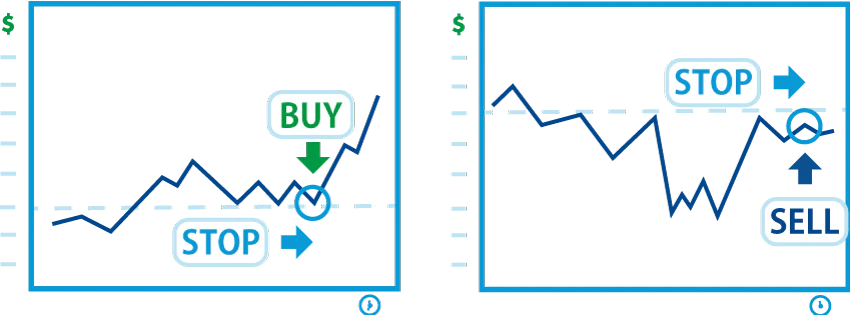
Range trading involves buying near support and selling near resistance. This approach can produce frequent winning trades, but only if losses are controlled when the range breaks.
- Place stop-loss below support when buying
- Place stop-loss above resistance when selling
- Exit quickly if price breaks out of the range
This protects you from larger losses when the market shifts into a trending phase.
Breakout Trading
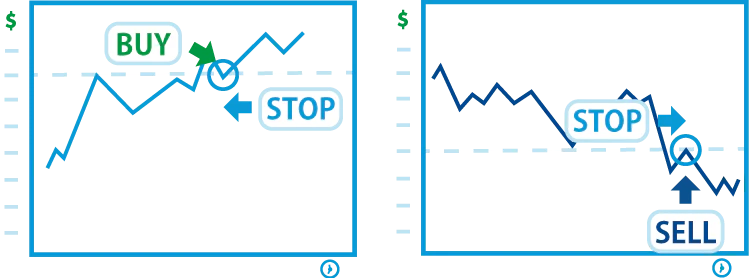
Breakout trading focuses on entering when price moves beyond key levels. While the win rate may be lower, successful breakouts can lead to strong trends.
- For buy trades, place stop-loss just below the breakout level
- For sell trades, place stop-loss just above the breakdown level
- Exit quickly if the breakout fails
Small, controlled losses are part of this strategy, but winning trades can be significantly larger.
Trend Trading
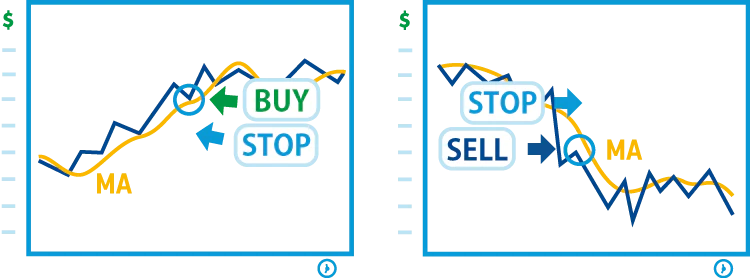
In trending markets, stop-loss placement can follow dynamic support or resistance such as moving averages or trend lines.
- In an uptrend, place stop-loss below the moving average or trend line
- In a downtrend, place stop-loss above the moving average or trend line
- Allow space for normal pullbacks within the trend
This approach helps you stay in the trade while the trend remains intact.
Reversal Trading
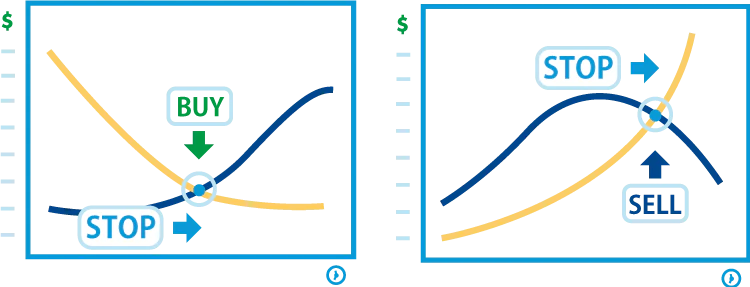
Reversal trading aims to capture turning points in the market. Because reversals are less predictable, stop-loss placement becomes even more important.
- Place stop-loss beyond the recent structure or moving average
- Exit quickly if the reversal fails
- Keep risk small due to higher uncertainty
This helps limit losses while still allowing participation in potential trend changes.
Avoid Common Stop-Loss Mistakes
Many traders struggle not because of their strategy, but because of how they manage stops during a trade.
Common mistakes include:
- Moving the stop-loss further away to avoid taking a loss
- Setting stops too tight without considering market volatility
- Removing the stop-loss entirely during volatile conditions
- Exiting trades too early due to fear
Consistency in stop-loss execution is key to long-term success.
Adapting Stop-Loss to Market Conditions
Markets are not always the same. Volatility, liquidity, and timing all affect how price moves.
To improve stop-loss timing:
- Use wider stops during high volatility periods
- Use tighter stops in stable, low-volatility markets
- Be aware of major news events that can trigger sharp moves
Adapting to market conditions helps avoid being stopped out unnecessarily.
Building Discipline Over Time
Using stop-losses consistently is a skill that develops over time. It requires trust in your trading plan and the ability to accept losses as part of the process.
Focus on:
- Following your predefined rules
- Reviewing trades where stops were not respected
- Improving execution rather than avoiding losses
Strong stop-loss discipline allows you to stay consistent, reduce emotional stress, and build a more stable trading approach over time.