
Nick Goold
What Is a Double Bottom Pattern?
The double bottom is one of the most widely used bullish reversal patterns in technical analysis. It appears after a downtrend and signals that selling pressure may be fading, with buyers beginning to take control.
This pattern forms when price tests the same support level twice and fails to break lower. After the second test, price begins to rise and eventually breaks above the high formed between the two lows. This breakout is what confirms the pattern and often leads to a stronger upward move.
Because it reflects a clear shift in market sentiment, the double bottom can be used by both short-term and long-term traders to identify potential buying opportunities.
How the Double Bottom Forms
The structure of a double bottom is simple but meaningful. The first low forms as part of a downtrend, followed by a temporary bounce. Price then returns to the same level but fails to break lower, showing that selling pressure is weakening.
This second low is critical. It indicates that buyers are stepping in at the same price level, creating a strong support zone. Once price breaks above the interim high between the two lows, the pattern is confirmed and momentum often shifts upward.
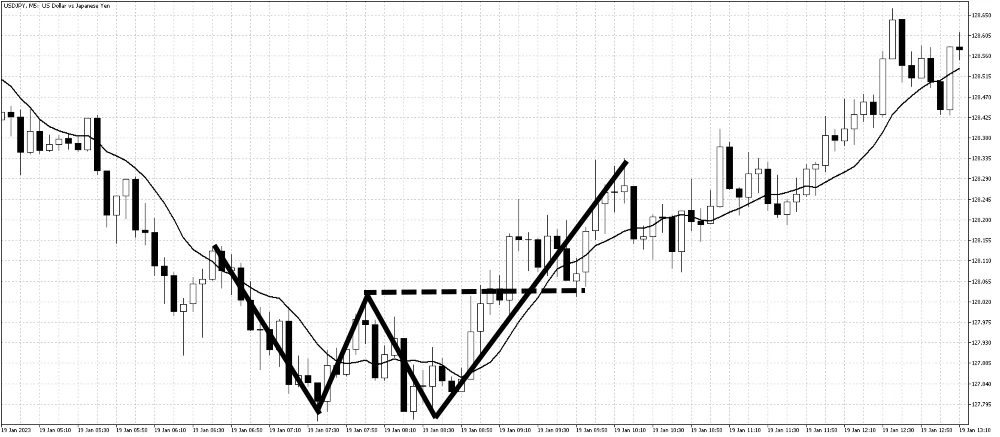
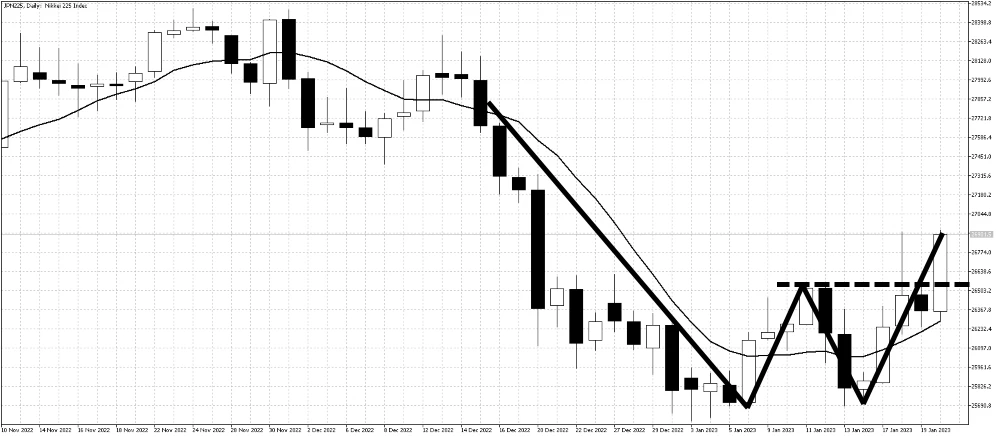
The pattern can appear across different timeframes. While it works on shorter charts such as 5-minute setups, it tends to be more reliable on higher timeframes like daily or weekly charts, where market structure is clearer.
Why the Pattern Works
The double bottom reflects a shift in supply and demand. During the first drop, sellers dominate. When price returns to the same level and fails to break lower, it shows that selling interest has weakened and buyers are willing to defend that level.
This repeated rejection creates confidence among traders that the downside is limited. Once the resistance level is broken, more buyers enter the market, often accelerating the move higher.
Trading the Double Bottom Pattern
Traders typically wait for confirmation before entering a trade. The most common approach is to buy after price breaks above the resistance level formed between the two lows.
This helps avoid entering too early, as the pattern is not valid until the breakout occurs. Entering before confirmation increases the risk that the market continues lower.
When planning a trade, traders often consider:
- Entry near or after the breakout above resistance
- Stop loss below the second low
- Profit targets based on previous resistance levels or the height of the pattern
This structured approach allows traders to define risk clearly before entering the market.
The Role of News and Market Context
Even strong technical patterns can fail if they go against major market drivers. If a downtrend is supported by strong bearish news, price may continue lower despite forming a potential double bottom.
Understanding what is driving the market adds an important layer of context. Traders should always check whether the broader narrative supports a reversal or whether momentum is likely to continue in the same direction.
Volatility and Trade Opportunities
Double bottom patterns tend to perform better in markets with higher volatility. Strong price movements create clearer structure and more defined support and resistance levels.
However, volatility also increases risk. Larger price swings mean that stop-loss placement becomes more important. A well-defined stop helps limit losses if the pattern fails. Rather than avoiding volatility, traders can adapt by adjusting position size and targeting trades with a favorable risk-to-reward ratio.
Why Timeframe Matters
The timeframe of the chart has a significant impact on the reliability of the pattern. Double bottoms that form on higher timeframes tend to carry more weight because they reflect broader market participation.
Short-term traders should still monitor higher timeframes before entering a trade. If the larger trend remains strongly bearish, a short-term double bottom may have limited potential. Aligning short-term setups with longer-term structure improves the probability of success.