
Nick Goold
One of the most common mistakes in forex trading is trading too often and failing to wait for the right opportunity. The market is always moving, which makes it tempting to enter trades frequently. However, constant activity does not lead to consistent profits. In many cases, it leads to unnecessary losses.
Experienced traders understand that not every market move is worth trading. They follow a clear trading plan and wait patiently for setups that match their strategy. This ability to wait is one of the key differences between profitable and unprofitable traders.
Why patience matters in forex trading
Patience is not just about waiting. It is about waiting for the right conditions. Markets can move quickly, but that does not mean every move offers a good opportunity. Entering trades without a clear reason often leads to poor results.
Successful traders know which market conditions suit their strategy. They also understand when to stay out of the market. This discipline helps them avoid unnecessary losses and focus only on high-quality setups.

The risk of reacting instead of planning
Unprofitable traders often react to market movements instead of following a structured approach. For example, after seeing a strong price move, they may feel they have missed an opportunity and enter late. This is often driven by emotion rather than logic.
Trading without a clear plan usually leads to inconsistent results. Even if a trade occasionally works, this approach is not sustainable over time. Consistent profitability requires a repeatable process, not impulsive decisions.
How overtrading affects your performance
Spending too much time watching charts can increase the temptation to trade. The more you watch the market, the more you feel the need to act. This often leads to overtrading, where trades are taken without strong reasons.
Reducing screen time can help improve discipline. By focusing only on specific trading sessions or setups, traders can avoid unnecessary entries. Taking fewer trades often leads to better results because each trade is more carefully selected.
Even traders with a solid strategy can reduce their profitability by entering too early or too often. Waiting for confirmation and sticking to defined entry conditions is essential.
Trading is a business, not entertainment
Modern trading platforms make it easy to enter and exit trades quickly. This convenience can make trading feel like a game. However, treating trading as entertainment often leads to poor decisions and increased risk.
Professional traders approach trading as a business. They focus on managing risk, following rules, and protecting capital. If the goal is entertainment, a demo account is more appropriate. Real trading requires discipline and responsibility.
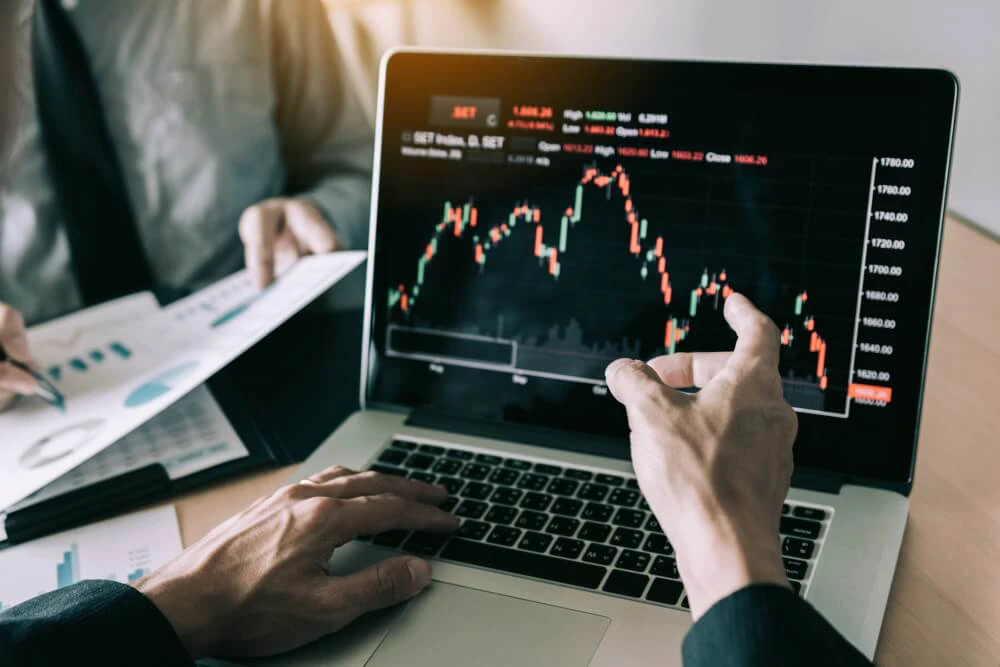
Learn from past losses before entering new trades
Before entering a trade, it can be helpful to reflect on past mistakes. Thinking about previous losing trades can prevent impulsive decisions. This is especially useful when you feel tempted to enter a trade that does not fully meet your criteria.
Reviewing past trades allows you to identify patterns in your behavior. It also helps you understand whether losses were caused by market conditions or by not following your plan.
Build the discipline to wait for the right setup
Developing patience in trading comes from having a clear plan and trusting it. Before entering any trade, you should already know your entry conditions, stop loss, and target. This removes uncertainty and reduces emotional decision-making.
Instead of focusing on how much you can make from a trade, focus on whether the trade meets your rules. Over time, this approach leads to more consistent performance.
In forex trading, success does not come from trading more. It comes from trading better. Waiting for the right opportunity is not a weakness. It is a skill that separates disciplined traders from those driven by emotion.