
Nick Goold
Leading Economic Indicators in Forex Trading: How to Anticipate Market Moves
A strong understanding of leading economic indicators is essential for anyone involved in forex trading. These indicators provide early signals about the direction of an economy, helping traders anticipate potential changes before they are fully reflected in price.
Unlike lagging data, which confirms what has already happened, leading indicators give insight into what may happen next. This forward-looking perspective is what makes them especially valuable in currency markets, where expectations often drive price movement more than current conditions.
What Are Leading Economic Indicators?
Leading economic indicators are data points that help measure economic activity and predict future trends. They are typically released on a regular schedule, such as monthly or quarterly, by government agencies or private organizations.
These indicators cover different parts of the economy. Some focus on financial conditions, others on consumer behaviour, and others on business activity. When combined, they provide a broader view of economic momentum and where it may be heading next.
For example, interest rates, inflation, and money supply reflect monetary conditions, while retail sales and consumer confidence show how households are behaving. Data such as GDP and PMI give insight into overall economic performance and business conditions.
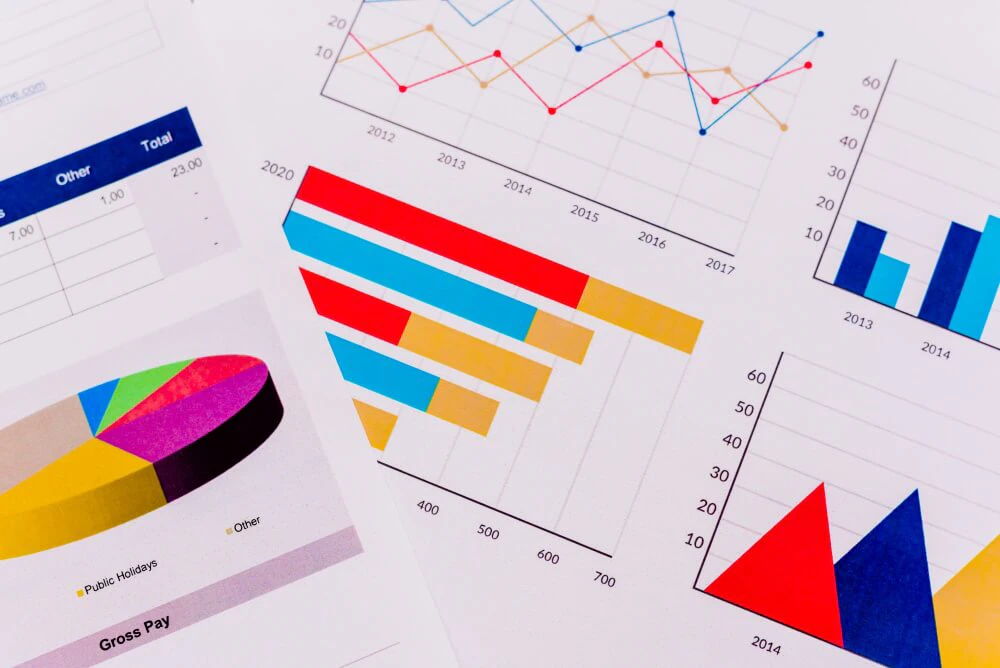
The image above highlights how different economic indicators move ahead of major shifts in the economy. Traders use these signals to position themselves before larger market trends develop.
Why Leading Indicators Matter in Forex Trading
In forex markets, currencies are driven by expectations about economic growth, inflation, and interest rates. Leading indicators help traders form those expectations earlier than the broader market.
When economic data suggests stronger growth than expected, investors may increase demand for that country’s currency. This is often because stronger growth can lead to higher interest rates, which attract capital inflows. On the other hand, weak data can reduce confidence and lead to selling pressure.
For example, if GDP growth comes in higher than forecast, traders may anticipate tighter monetary policy and buy the currency. If manufacturing data such as PMI shows contraction, it may signal economic weakness, leading to reduced demand for that currency.
Understanding this relationship allows traders to move from simply reacting to news toward anticipating market direction.
Types of Leading Economic Indicators
Leading indicators can be grouped into three broad categories, each offering a different perspective on the economy.
- Monetary indicators, such as interest rates, inflation, and money supply, provide insight into central bank policy and financial conditions.
- Consumer indicators, including retail sales and consumer confidence, reflect spending behaviour and demand within the economy.
- Business indicators, such as GDP and PMI, show how companies are performing and whether economic activity is expanding or slowing.
These categories often overlap. Changes in interest rates, for example, can influence both consumer spending and business investment. This interconnected nature is why traders rarely look at a single indicator in isolation.
Key Leading Indicators Every Forex Trader Should Watch
Some indicators consistently have a stronger impact on currency markets due to their direct connection to growth and interest rates.
Gross Domestic Product (GDP) provides a broad measure of economic performance. When GDP is growing, it suggests a strong economy, which can increase demand for the currency. Weak GDP can have the opposite effect.
The Purchasing Managers’ Index (PMI) offers insight into the health of the manufacturing sector. A reading above 50 typically indicates expansion, while a reading below 50 suggests contraction. Because PMI is released frequently, it is often used as an early signal of economic trends.
The Consumer Price Index (CPI) measures inflation, which plays a key role in central bank decisions. Rising inflation can lead to higher interest rates, supporting a currency, while low inflation can reduce rate expectations.
Retail sales reflect consumer spending, one of the main drivers of economic growth. Strong retail data suggests confidence and economic expansion, while weak data can signal slowing demand.
Employment indicators, including Non-Farm Payrolls and the unemployment rate, show the strength of the labour market. A strong job market supports economic growth and currency demand, while weak employment can indicate economic slowdown.
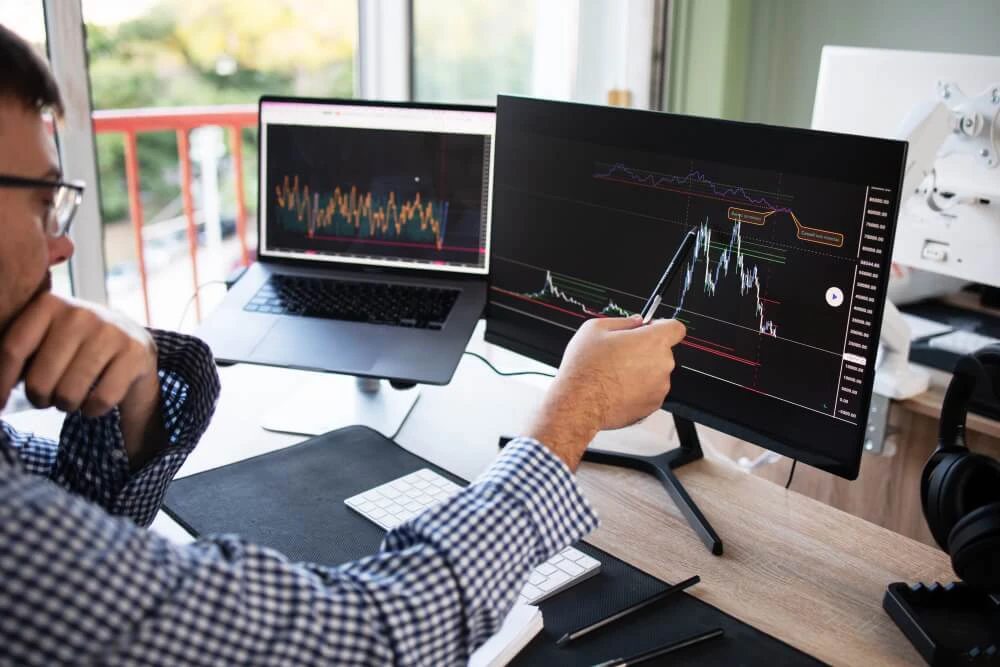
The image above reflects how traders combine multiple indicators rather than relying on a single data point. This broader approach helps create a more accurate view of market direction.
How Markets React to Economic Data
Forex markets react not only to economic data itself, but to how that data compares with expectations. This difference between forecast and actual results is often what drives price movement.
When data is stronger than expected, it can lead to rapid buying of the currency. When it is weaker, selling pressure can follow. However, not all indicators have the same impact. Data such as GDP and employment tends to create larger moves than secondary indicators like consumer confidence.
It is also important to consider the broader context. Strong data may not always lead to a stronger currency if other factors, such as inflation or central bank policy, offset its impact.
Building a Trading Approach Around Economic Indicators
Using leading economic indicators effectively requires more than simply reacting to each data release. The key is to understand how different indicators connect and how they influence expectations over time.
Rather than focusing on a single number, traders should look at trends across multiple indicators. Consistent improvement in growth, employment, and inflation data often signals a stronger currency over time. Mixed signals, on the other hand, can lead to uncertainty and range-bound markets.
By combining economic analysis with technical levels such as support and resistance, traders can build a more structured and disciplined approach. This reduces emotional decision-making and improves consistency.
Ultimately, leading economic indicators provide a framework for understanding market direction. When used correctly, they allow traders to anticipate changes rather than react to them, which is a key advantage in forex trading.