Nick Goold
Fear of Missing Out (FOMO) is one of the most common psychological challenges in forex trading. It happens when traders feel pressure to enter a trade simply because the market is moving, even if the setup does not match their strategy.
This often leads to chasing price, entering too late, or taking trades without proper analysis. Over time, these decisions can reduce consistency and increase unnecessary risk.
Managing FOMO is not about eliminating it completely. It is about understanding when it happens and building habits that prevent it from affecting your trading decisions.
Why FOMO Happens in Forex Trading
The forex market moves quickly, especially during active sessions or major news events. Seeing strong price movements can create a sense of urgency.
Traders often think:
- "I missed the move, but maybe it will continue"
- "Everyone else is making money on this trade"
- "If I don’t enter now, I will miss the opportunity"
These thoughts shift your focus away from your trading plan and toward emotional decision-making. This is where mistakes begin.
Focus on Your Own Trading Process
Comparing yourself to other traders is one of the fastest ways to trigger FOMO. Social media, trading forums, and shared results can create unrealistic expectations.
In reality, you never see the full picture of another trader’s performance. You do not know their risk, losses, or long-term results.
Instead of focusing on others, bring your attention back to your own process:
- Are you following your plan?
- Are your setups valid?
- Are you managing risk correctly?
Consistent traders focus on execution, not comparison.
Build Confidence Through a Clear Strategy
FOMO is stronger when you are unsure about your strategy. Without a clear approach, every market move feels like a missed opportunity.
Developing a structured trading plan reduces this uncertainty. Your plan should include:
- Clear entry conditions
- Defined stop-loss and take-profit levels
- Position sizing rules
- Markets and sessions you trade
When your rules are clear, it becomes easier to ignore trades that do not meet your criteria.
Shift from Opportunity to Probability
Not every market move is an opportunity for you. This is an important mindset shift.
There are always trades happening, but only a small number will fit your strategy with a good risk-reward balance.
Instead of thinking:
- "This move looks strong, I need to enter"
Think:
- "Does this trade meet my rules?"
- "Is the risk justified by the potential reward?"
This simple shift reduces impulsive decisions.
Create a Trading Plan and Follow It Consistently
FOMO becomes much easier to manage when you have a structured plan and follow it consistently.
Your plan acts as a filter. If a trade does not meet your criteria, you do not take it.
This removes emotional decision-making and replaces it with a rule-based approach.
Practice Patience and Timing
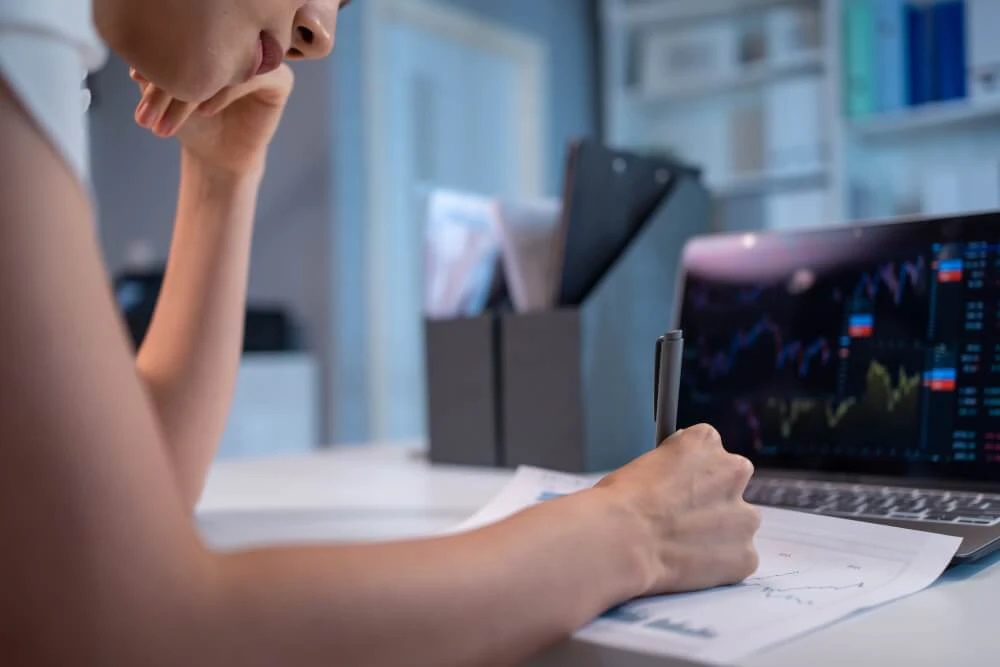
One of the key skills in trading is waiting.
Many traders lose money not because they lack knowledge, but because they cannot wait for the right setup.
The market will always provide new opportunities. Missing one trade does not matter.
What matters is being ready for the next high-quality setup.
Good trading is not about taking more trades. It is about taking the right trades.
Reduce Screen Time and Market Noise
Constantly watching charts can increase the urge to trade. Every small move starts to feel important.
To reduce FOMO:
- Set specific times to analyze the market
- Avoid watching every price movement
- Focus only on your trading sessions
Less screen time often leads to better decision-making.
Take Breaks After Strong Market Moves
After a large move, many traders feel the urge to jump in late.
This is often where poor trades happen.
Instead, step away and let the market reset. Wait for structure to form again.
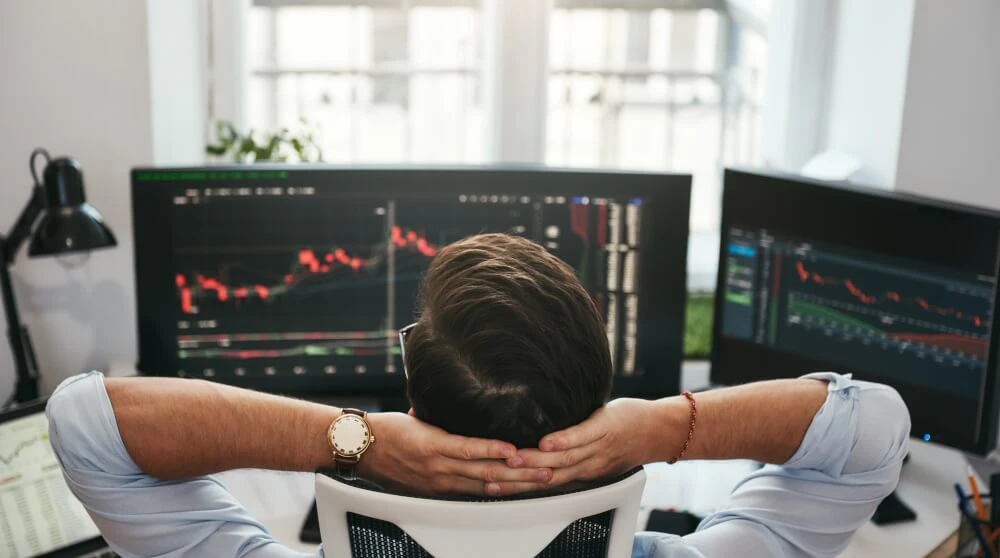
This simple habit can prevent many unnecessary losses.
Accept That Missing Trades Is Part of Trading
No trader catches every move. Even experienced traders miss trades regularly.
This is normal.
Trying to capture every opportunity often leads to overtrading and poor entries.
Instead of focusing on what you missed, focus on what you can control:
- Your execution
- Your discipline
- Your risk management
Over time, this approach leads to more consistent results.
Think Long-Term, Not Trade by Trade
FOMO is strongest when you focus on individual trades.
Shifting to a long-term mindset changes your perspective.
One missed trade does not matter over a series of 50 or 100 trades.
Consistency, discipline, and risk control are what determine long-term success.
When you think this way, the pressure to chase trades naturally decreases.
Managing FOMO is not about avoiding the market. It is about trading with control, patience, and a clear plan.