
Nick Goold
Choosing the right moving average setting is less about finding the “perfect number” and more about matching the tool to how you trade. Many traders test different periods like 5, 10, 50, or 200, but without a clear purpose, these numbers become random rather than useful.
A moving average works best when it supports your decision-making. It helps you understand direction, identify areas where price may react, and improve timing. The key is to align the setting with your timeframe, your strategy, and the type of market you are trading. This guide focuses on how to think about moving average length, rather than simply choosing a popular setting.
What Moving Average Length Actually Changes
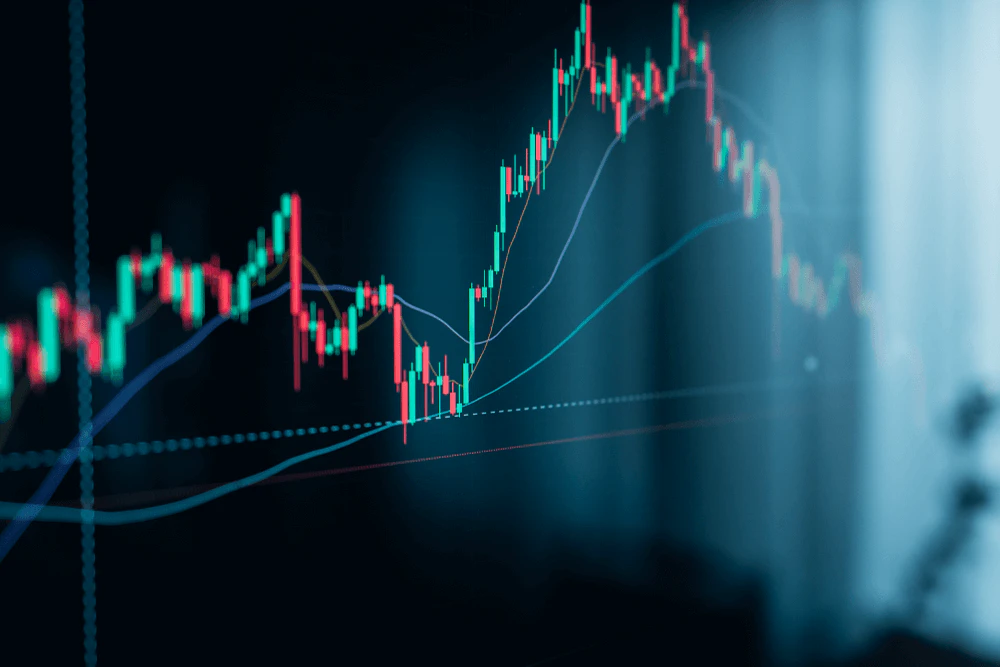
The length of a moving average controls how sensitive it is to price. A shorter moving average reacts quickly. It follows price closely and gives more signals, but it also produces more false moves. A longer moving average reacts more slowly, smoothing out noise but often giving later entries.
This trade-off is always present. Faster signals come with more noise, while slower signals offer more stability but less precision. Understanding this balance is more important than the exact number you choose.
Matching the Moving Average to Your Trading Style
The most effective way to choose a moving average is to match it to how you trade.
If you are trading very short-term moves, you need a faster average that responds quickly. If you are holding trades for longer periods, a slower average will give you a clearer view of the overall trend.
A simple way to think about it:
- Short-term trading uses faster averages to track immediate price movement
- Medium-term trading balances responsiveness with stability
- Longer-term trading focuses on broader trend direction
The timeframe of your chart should also match this approach. Using a fast moving average on a higher timeframe, or a slow one on a very short timeframe, often leads to confusion.
Using Moving Averages for Timing, Not Prediction
One of the most common mistakes is using moving averages to predict direction. In reality, they are better used to understand what the market is already doing.
A moving average can help you:
- See whether the market is trending or ranging
- Identify areas where price may pull back
- Stay aligned with the broader direction
Instead of asking which setting is best, it is more useful to ask whether the moving average is helping you make clearer decisions.
Testing and Refining Your Settings
Once you have an idea of what suits your style, testing becomes important. Looking at past charts can help you understand how different settings behave in different conditions. You can see how often signals appear, how price reacts, and whether the structure makes sense for your strategy.
However, testing should not be about finding the perfect result. Markets change, and no setting will work all the time. The goal is to find something that is consistent and easy to follow.
After testing, applying the same setup in a demo environment helps you understand how it performs in real time. This step often reveals issues that are not obvious when looking at past data.
Adapting to Market Conditions Without Overreacting
Different market conditions can affect how well a moving average performs. In strong trends, faster averages can help you stay closer to price and capture larger moves. In slower or choppy markets, longer averages can reduce noise and prevent overtrading.
However, constantly changing your settings can create more problems than it solves. Frequent adjustments make it difficult to build consistency and confidence. It is usually better to understand how your chosen setting behaves in different conditions, rather than trying to optimize it for every situation.
When the Problem Is Not the Indicator
If results are inconsistent, it is easy to assume the moving average setting is wrong. In many cases, the issue comes from execution rather than the tool itself.
Before making changes, it is worth reviewing:
- Whether entries are being taken at the right time
- If risk is being managed consistently
- Whether trades are being influenced by emotion
Adjusting settings without addressing these factors often leads to the same problems repeating.
Keeping Your Approach Simple and Consistent
Moving averages are most effective when used as part of a simple and repeatable process.
Instead of adding multiple settings or constantly changing periods, it is better to choose one or two that fit your approach and learn how they behave. This builds familiarity and improves decision-making over time. The goal is not to create a perfect system, but to develop a clear structure that you can follow consistently.
Focus on Risk Control, Not Just Indicator Settings
It is easy to focus on finding the “best” moving average, but long-term results come from how trades are managed. Even a well-chosen setting will produce losing trades. What matters is keeping losses controlled while allowing profitable trades to develop.
By combining a suitable moving average with consistent execution and risk control, the indicator becomes a useful guide rather than a source of confusion.