
Nick Goold
Many beginner traders start by focusing heavily on technical indicators, believing that the right setup will lead to consistent profits. However, after experiencing losses, most realize that the real challenge is not finding a strategy—it is following it. This is where risk management and trading psychology become essential.
Risk management is not just about setting stop losses or calculating position size. It is closely linked to how traders think and react under pressure. The ability to manage emotions and make consistent decisions is what ultimately determines long-term success.
Understanding the Psychology of Risk
Every trade involves uncertainty, and how traders respond to that uncertainty plays a major role in their results. The psychology of risk is about how you perceive potential losses and gains, and how those perceptions influence your decisions.
In many cases, traders are not reacting to the market itself, but to their own emotions and past experiences. This is where common psychological biases begin to affect performance.
One of the most important is loss aversion. Traders tend to feel the pain of losses more strongly than the satisfaction of gains. As a result, they may close winning trades too early to “lock in” profit, while holding losing trades longer in the hope that the market will turn. Over time, this leads to small wins and larger losses.
Another common issue is overconfidence. After a series of successful trades, traders may start taking bigger risks or ignoring their rules. This often leads to unnecessary losses that erase previous gains.
Herding behavior is also a problem. Instead of relying on their own analysis, traders may follow the crowd or enter trades late after a move has already happened. This usually results in poor entry points and increased risk.
How Emotions Affect Risk Management
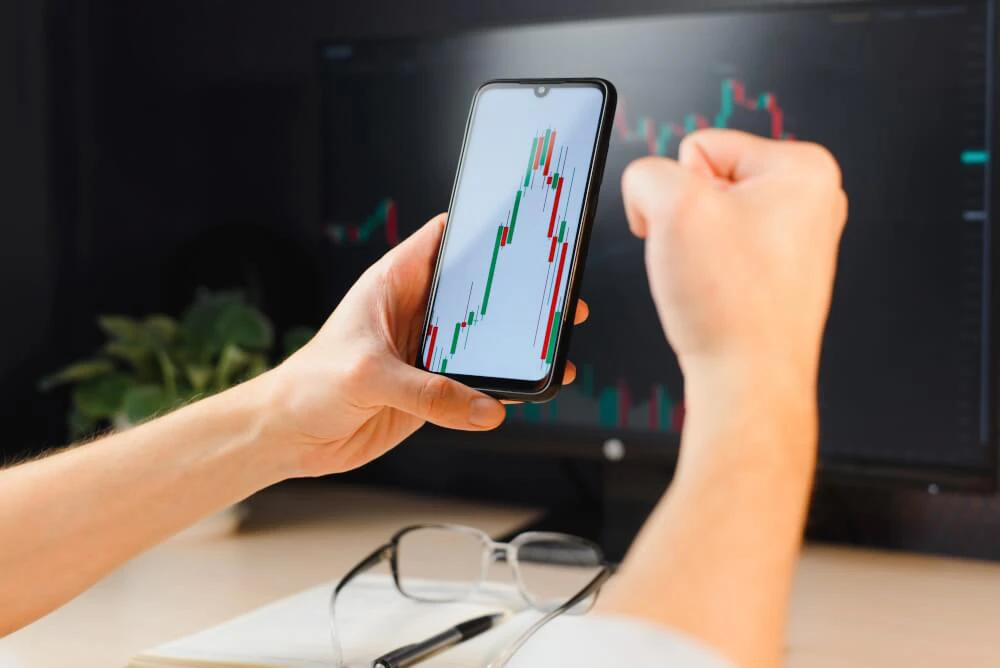
Emotions are a natural part of trading, but they can quickly lead to poor decisions if not controlled. The most common emotions traders experience are fear, greed, euphoria, and panic.
Fear often appears after losses or during uncertain market conditions. It can cause traders to exit positions too early or avoid taking valid setups. On the other hand, greed can push traders to hold onto winning trades for too long, hoping for more profit, only to see gains disappear.
Euphoria usually follows a series of winning trades. While it may feel positive, it often leads to overconfidence and reduced attention to risk. Panic, by contrast, tends to happen during sudden market moves and can result in rushed decisions, such as closing trades without proper reasoning.
Recognizing these emotional patterns is an important step. Once traders are aware of how emotions influence their behavior, they can begin to manage them more effectively.
How to Control Emotions and Improve Risk Management
Improving emotional control does not happen instantly, but there are practical steps traders can take to build better habits over time.
Start by paying attention to your emotional state while trading. If you notice frustration, fear, or excitement affecting your decisions, it is often a sign to step back. Keeping a trading journal can help identify patterns and highlight where emotions are having the biggest impact.
Clear risk management rules are also essential. Defining your stop loss, position size, and daily risk limit before entering a trade helps remove emotional decision-making during live market conditions. One key rule is to never widen your stop loss once a trade is open.
Discipline is what connects your plan to your results. A structured trading routine makes it easier to follow your rules consistently, even during difficult periods. Without discipline, even the best strategy will fail.
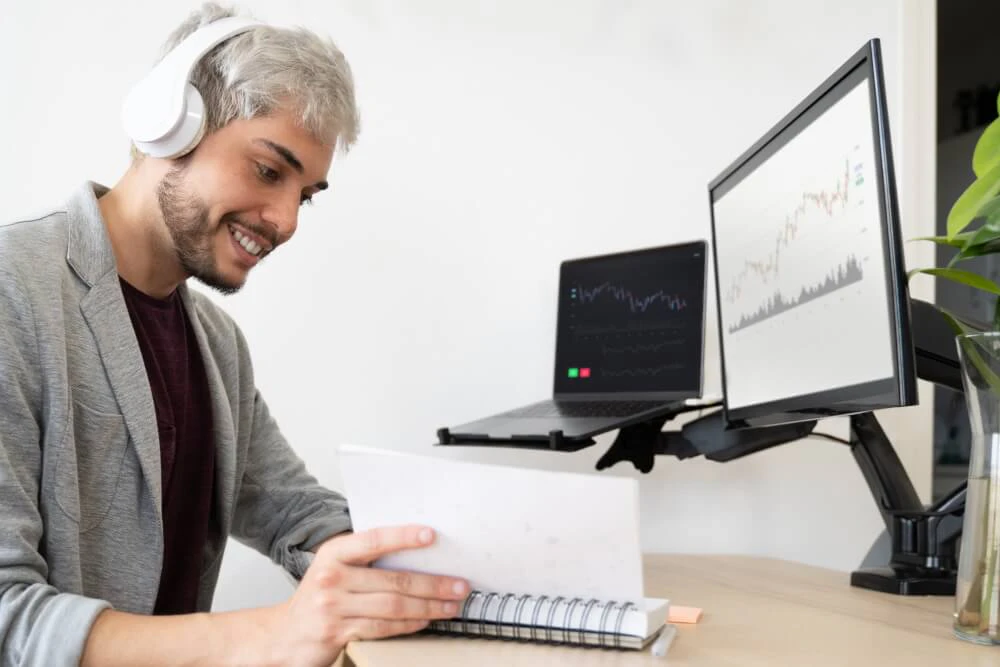
Reviewing your trades regularly is another important step. Looking back at both winning and losing trades helps you understand what worked and what needs improvement. Over time, this process builds confidence and reduces emotional reactions.
Finally, developing awareness of your emotions can make a big difference. Simple techniques such as stepping away from the screen, taking breaks, or resetting after a loss can help you stay focused and avoid impulsive decisions.
In trading, managing risk is not just about protecting your capital—it is about controlling your behavior. Traders who learn to manage both are far more likely to achieve consistent results over time.