
Nick Goold
Many traders spend most of their time focusing on entries, but long-term performance is often determined by how trades are managed after entry. Knowing where to exit a trade, both for profit and loss, has a direct impact on consistency and risk control.
Support and resistance provide a simple and practical framework for making these decisions. Instead of guessing where to exit, traders can use these levels to define logical areas where price is likely to react.
Support is a price area where buying interest may cause a falling market to slow down or reverse higher. Resistance is a price zone where selling pressure may stop a rising market and push it lower. These levels are not exact prices, but areas where market behavior tends to change.
Placing Stop Losses Around Support and Resistance
Stop placement is one of the most important parts of trade management. A poorly placed stop can lead to unnecessary losses even if the trade idea is correct.
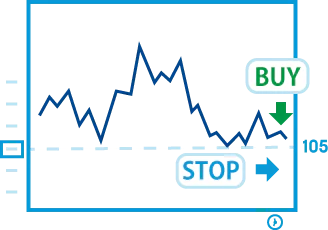
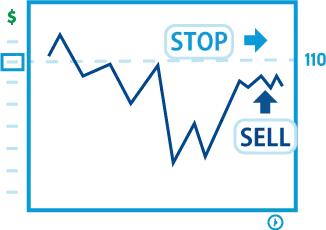
When entering a long position, placing a stop loss below support gives the trade room to move while still protecting against a breakdown. If price falls through support, the original idea for the trade is no longer valid, so exiting makes sense.
The distance between the support level and the stop should depend on market conditions. In quiet markets, price tends to move slowly, so a tighter stop just below support may be sufficient. In more volatile conditions, price can move more aggressively, so a wider stop helps avoid being stopped out by normal fluctuations.
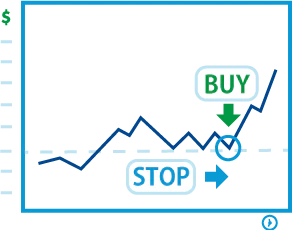
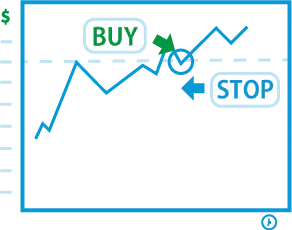
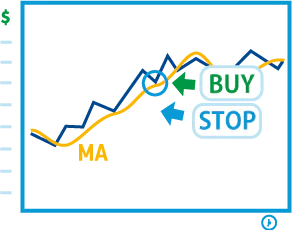
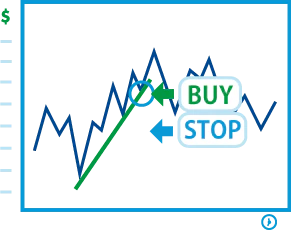
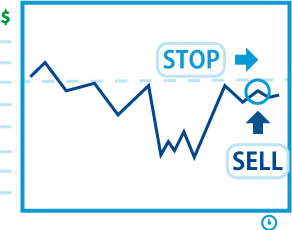
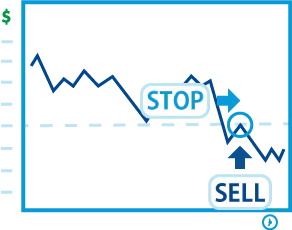
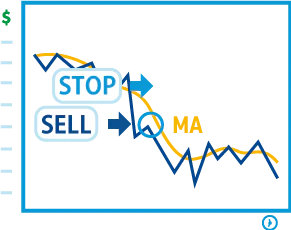
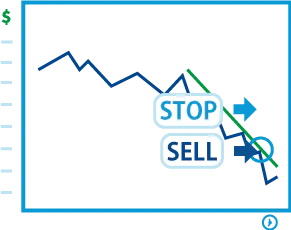
For short positions, the same logic applies in reverse. Stops should be placed above resistance. If price breaks above resistance, it suggests buyers are gaining control, and the trade idea is no longer valid.
Setting Profit Targets Using Market Structure
Profit targets should be based on where price is likely to react next. This makes resistance a natural target for long trades and support a logical target for short trades.
For a long position, the next resistance level provides a realistic area where the market may slow down or reverse. Setting targets at or just before this level increases the probability of the trade reaching its objective.
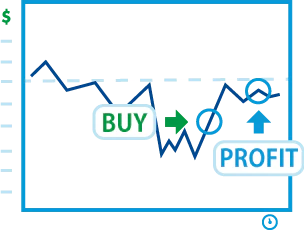
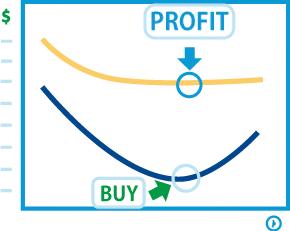
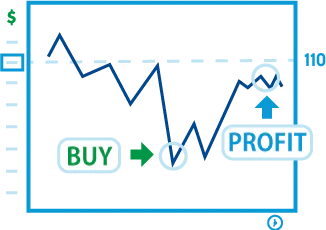
In stronger trending markets, price may break through resistance and continue higher. In these cases, some traders place targets slightly beyond resistance to capture extended moves. However, this requires discipline. If price reaches resistance and fails to break through, it is usually better to exit rather than wait and risk giving back profits.
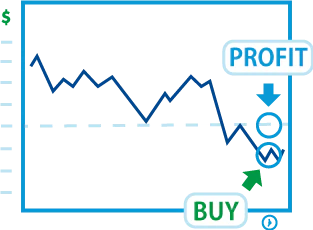
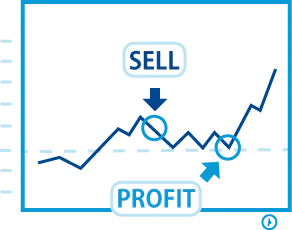
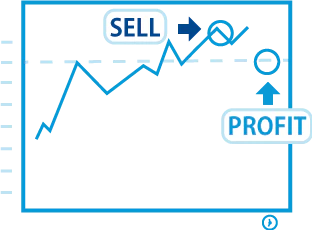
For short positions, the approach is reversed. Support becomes the primary target area, as this is where price may stop falling.
Balancing Risk and Reward Using Support and Resistance
Using support and resistance for exits naturally improves risk-to-reward planning. Before entering a trade, traders can compare the distance to their stop with the distance to their target.
If the potential reward is too small compared to the risk, the trade may not be worth taking. This simple check helps avoid low-quality setups and improves overall consistency.
It also encourages patience. Not every setup offers a good balance between risk and reward. Waiting for trades where the structure is clear and the potential is sufficient often leads to better long-term results.
A Practical Approach to Trade Exits
Support and resistance are not exact levels, but zones where price behavior often changes. This means exits should not be treated as fixed points, but as areas where decisions are made based on how price reacts.
In some cases, price will reach a level and reverse quickly. In others, it may break through and continue. Being flexible and observing price action around these levels is just as important as identifying them.
Over time, traders who focus on structured exits tend to reduce unnecessary losses and protect profits more effectively. Improving exits does not require complex strategies, but it does require discipline and consistency in applying these simple principles.