
Nick Goold
There are two main types of analysis used in trading: technical analysis and fundamental analysis. Many traders ask which one is better, but the more important question is how and when to use each effectively.
When traders first enter the market, they often focus heavily on technical analysis. Charts, indicators, and patterns feel more visual and easier to understand. However, relying only on technical signals can create blind spots. Fundamental analysis plays an equally important role, especially when it comes to understanding why the market is moving and what could happen next.
A well-rounded trader learns how to combine both approaches. This helps build a clearer view of market conditions and improves decision-making across different trading environments.
What is technical analysis?
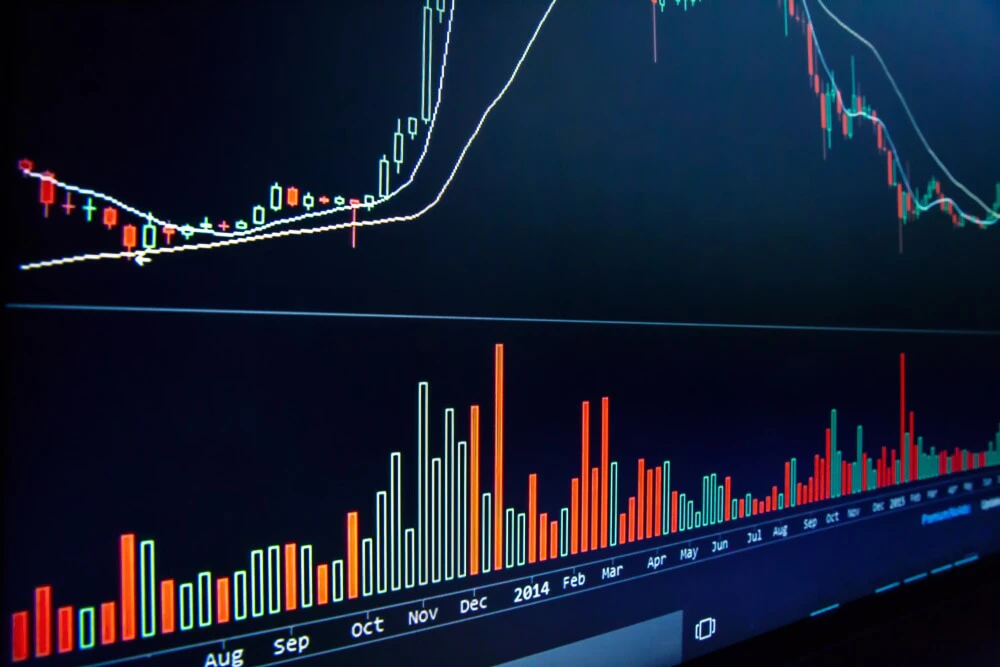
Technical analysis focuses on studying past price movements to identify patterns that may repeat in the future. The idea is simple: markets often behave in similar ways under similar conditions, and these behaviors can be observed through charts.
Traders use various tools to support this process. Indicators are one of the most common. These are mathematical calculations based on price, volume, or time, and they are displayed directly on charts to help identify potential entry and exit points.
Some of the most widely used indicators include:
- Moving averages, which help identify trends and direction
- Bollinger Bands, which show volatility and potential reversal zones
- MACD, used to measure momentum and trend changes
- RSI, which helps identify overbought or oversold conditions
Another widely used approach within technical analysis is price action. This method does not rely on indicators but instead focuses directly on how price moves. Traders observe patterns such as breakouts, reversals, and momentum shifts to anticipate the next move.
Technical analysis is especially useful for short-term trading. It allows traders to react quickly to price movements and take advantage of smaller market fluctuations.

What is fundamental analysis?
Fundamental analysis looks beyond the chart and focuses on the underlying factors that drive market movements. It involves analysing economic data, news events, and broader market conditions to understand why prices are changing.
This type of analysis considers elements such as:
- Interest rate expectations and central bank policy
- Economic data such as inflation, employment, and GDP
- Supply and demand factors in commodities like oil and gold
- Political events and geopolitical developments
For example, if a central bank signals that interest rates may remain higher for longer, this can strengthen a currency. Similarly, rising oil prices can impact inflation expectations and influence currency movements, particularly for economies that depend heavily on energy imports.
News events can cause sharp and sudden market moves. In some cases, they create short-term volatility. In others, they trigger longer-term trends. Major events such as U.S. presidential elections, central bank decisions, or unexpected economic data releases often lead to significant shifts in market direction.
Fundamental analysis is particularly useful for understanding the bigger picture and is often more relevant for medium- to long-term trading strategies.
Technical vs fundamental analysis in different trading styles
Both types of analysis can be applied to any trading style, but their importance may vary depending on your approach.
Short-term traders, such as scalpers and day traders, tend to rely more on technical analysis because they need to react quickly to price movements. However, even in short-term trading, ignoring major news events can lead to unexpected losses.
Longer-term traders, such as swing or position traders, often place greater emphasis on fundamental analysis. Understanding the broader economic environment helps them stay aligned with larger trends rather than reacting to short-term noise.
The most effective approach is not choosing one over the other, but understanding how they work together.
Why professional traders use both
Professional traders rarely rely on just one type of analysis. Each method has strengths and limitations, and combining them creates a more balanced view of the market. Relying only on technical analysis can be risky. Sudden news events or economic releases can invalidate technical setups quickly, leading to unexpected losses.
On the other hand, using only fundamental analysis can make it difficult to find precise entry and exit points. Even if the overall direction is correct, poor timing can reduce profitability. By combining both approaches, traders can align direction with timing. Fundamental analysis provides context, while technical analysis helps execute trades more precisely.
Practical approach to combining both analyses
To use both methods effectively, traders need a simple and structured process. This does not have to be complicated, but it should be consistent.
- Start with fundamental analysis to understand overall market direction
- Check for major upcoming news or economic releases
- Use technical analysis to identify entry and exit points
- Avoid trading during high-impact news unless part of your strategy
This approach helps reduce unnecessary risk and improves the quality of trade decisions.
Before entering any trade, it is important to analyse the market environment and confirm that your strategy fits current conditions. A strong setup is not just about the chart, but also about timing and context. Trading becomes more consistent when decisions are based on both what the market is doing and why it is moving.