Nick Goold
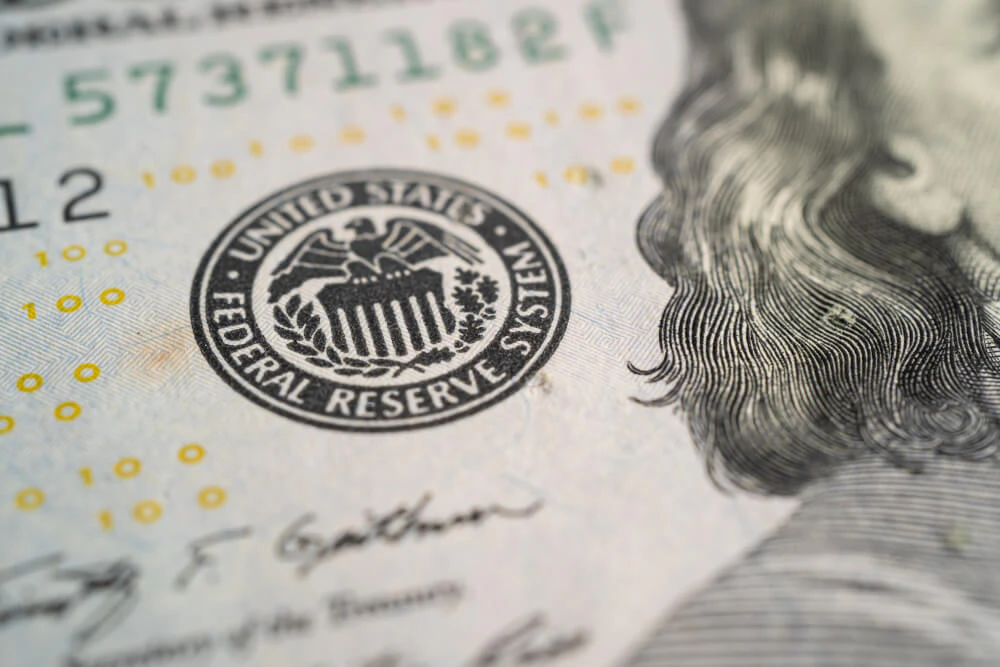
The Federal Reserve System, often called the Fed, is the central bank of the United States. It was established in 1913 to create a more stable and flexible financial system and plays a central role in managing the U.S. economy. For forex traders, understanding how the Federal Reserve operates is essential because its decisions directly influence the value of the U.S. dollar and global currency markets.
The Fed is made up of twelve regional banks and a Board of Governors based in Washington, D.C. The Board oversees the system and helps guide monetary policy decisions. While the structure may seem complex, the key takeaway for traders is simple — the Fed controls interest rates and liquidity, and those two factors drive currency movements.
What the Federal Reserve Actually Does
The Federal Reserve has several core responsibilities, but all of them connect back to maintaining economic stability. Its primary goal is to support maximum employment and stable prices, often referred to as its dual mandate. To achieve this, the Fed adjusts interest rates and manages the money supply depending on economic conditions.
Beyond monetary policy, the Fed also supervises banks to ensure the financial system remains stable and provides services to both the government and financial institutions. However, for traders, the most important aspect remains how the Fed controls borrowing costs and liquidity in the system.
How Interest Rates Drive the Forex Market
Interest rates are the main tool the Federal Reserve uses to influence the economy. The Fed sets the federal funds rate, which impacts borrowing costs across the entire financial system. When rates rise, holding U.S. assets becomes more attractive, which often increases demand for the U.S. dollar. When rates fall, that demand can weaken.
This is why forex markets react so strongly to Fed decisions. Traders are not just reacting to the current rate but to expectations of where rates are heading next. Even small changes in language from the Fed can lead to large moves in currency pairs.
The Fed adjusts rates through open market operations, buying or selling government securities to either inject liquidity into the system or remove it. These actions may seem technical, but their impact is straightforward — they influence how much money is available and how expensive it is to borrow.
Understanding FOMC Meetings and Market Reactions
The Federal Open Market Committee (FOMC) meets regularly throughout the year to assess economic conditions and decide on monetary policy. These meetings are key events for traders because they often lead to increased volatility in the forex market.
After each meeting, the Fed releases a statement explaining its decision and its outlook on the economy. Traders analyze these statements carefully, not just for what is said but for any changes in tone. A slightly more hawkish or dovish stance can shift expectations quickly.
Markets often move more on expectations than on the decision itself. If a rate hike is already expected, the reaction may be limited. However, unexpected changes or new guidance can trigger sharp movements.
Key Economic Indicators the Fed Watches
The Federal Reserve bases its decisions on a wide range of economic data. Understanding these indicators helps traders anticipate how the Fed may act in the future.
- Inflation remains one of the most important factors, with the Fed aiming to keep it around 2 percent over time
- Employment data provides insight into the strength of the labor market and overall economic health
- GDP growth reflects the pace of economic expansion or contraction
- Consumer spending helps measure demand and economic confidence
- Financial market conditions can signal stress or stability within the system
These indicators are not viewed in isolation. The Fed looks at the broader picture and adjusts policy based on how these factors interact. This is why market reactions can sometimes seem unexpected — it depends on how the data fits into the overall economic outlook.
Forward Guidance and Expectations
One of the most powerful tools the Fed uses is forward guidance. This is how the central bank communicates its future policy intentions to the market. Rather than surprising markets, the Fed often signals its direction in advance.
If the Fed indicates that rates may rise in the future, the U.S. dollar can strengthen even before any actual change occurs. On the other hand, signals of prolonged low rates can weaken the currency as investors look elsewhere for higher returns.
This is why traders spend time analyzing speeches, interviews, and press conferences. The message behind the words often matters more than the current policy setting.
Quantitative Easing and Liquidity
In addition to interest rates, the Fed can influence markets through asset purchases, often referred to as quantitative easing. By buying government bonds and other assets, the Fed injects liquidity into the financial system.
This increase in money supply can support economic growth but may also weaken the U.S. dollar over time if it leads to higher inflation. For traders, this creates another layer of analysis — understanding not just rates, but overall liquidity conditions.
Why Forex Traders Watch the Fed Closely
The U.S. dollar is the most traded currency in the world, and many currency pairs are directly or indirectly influenced by it. Because of this, decisions made by the Federal Reserve often set the tone for global markets.
Traders focus on how Fed policy compares to other central banks. Differences in interest rates between countries are a major driver of currency trends. When the U.S. is tightening policy while others remain accommodative, the dollar often strengthens. When the opposite occurs, the dollar may weaken.
Understanding these relationships helps traders position themselves more effectively and manage risk in changing market conditions.
The Federal Reserve remains one of the most important drivers of forex markets. By following its decisions, communication, and the data it responds to, traders can better understand why currencies move and how to adapt their strategies accordingly.