Nick Goold
The rise of social media has completely changed how traders access information. Today, anyone can share opinions, strategies, and trade ideas instantly with a global audience. While this creates new opportunities to learn, it also introduces challenges that can negatively affect trading decisions if not managed carefully. :contentReference[oaicite:0]{index=0}
For many traders, social media becomes part of their daily routine. However, without clear boundaries and a strong trading plan, it can easily influence behavior in ways that lead to poor decisions. Understanding both the benefits and risks is essential if you want to stay consistent and disciplined.
How Social Media Influences Traders
Social media platforms give traders access to real-time updates, different viewpoints, and a wide range of strategies. This can be useful, especially for staying aware of market sentiment or learning new approaches. At the same time, the constant flow of opinions can make it harder to stay focused on your own strategy.
One of the biggest risks is herd mentality. When many traders share similar ideas, it can create pressure to follow the crowd. Instead of making independent decisions, traders may start entering positions simply because others are doing the same. This often leads to trades that are not based on proper analysis.
Another common issue is confirmation bias. Traders tend to seek out opinions that support what they already believe. This can create a false sense of confidence and prevent them from seeing risks clearly.
The Problem with FOMO and Market Noise
Social media can also increase the fear of missing out. Seeing others post winning trades or large profits can create pressure to act quickly. This often leads to entering trades too late or without proper planning.
In many cases, what is shared online does not show the full picture. Traders may only highlight successful trades, while losses are rarely discussed. This can create unrealistic expectations and lead to frustration when results do not match what is seen online.
At the same time, the amount of information available can become overwhelming. Conflicting opinions, constant updates, and different strategies can make it difficult to stay clear on your own approach. This confusion is one of the main reasons traders lose consistency.
Emotional Impact of Social Media
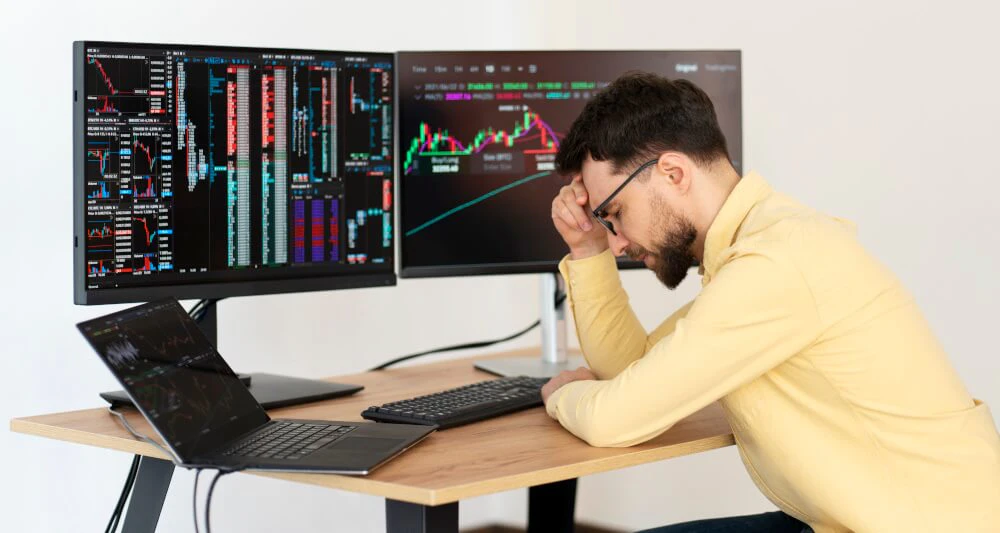
Emotions can spread quickly through social media. When markets move strongly, traders often express excitement or panic, and this can influence others. It becomes easy to get caught up in these reactions, even if they do not match your own analysis.
This emotional pressure can lead to impulsive decisions, such as chasing trades or closing positions too early. Over time, this behavior damages both performance and confidence.
Staying calm and patient is essential. Every trader has a different strategy, risk tolerance, and timeframe. Comparing yourself constantly to others usually leads to poor decisions rather than improvement.
How to Use Social Media Without Hurting Your Trading
Social media can still be useful if used correctly. The key is to stay in control and not let it influence your decisions too much.
Start by thinking critically about what you see. Not everyone sharing trading content is experienced or profitable. Many are focused on selling products or attracting attention. It is important to question information rather than accepting it blindly.
Having a clear trading plan is one of the best ways to stay disciplined. When you know your entry, exit, and risk rules, it becomes much easier to ignore outside noise. Your decisions should come from your plan, not from what others are posting.
It also helps to limit how much time you spend on social media. Constant exposure increases the chance of emotional reactions and confusion. Setting specific times to check updates can help you stay focused.
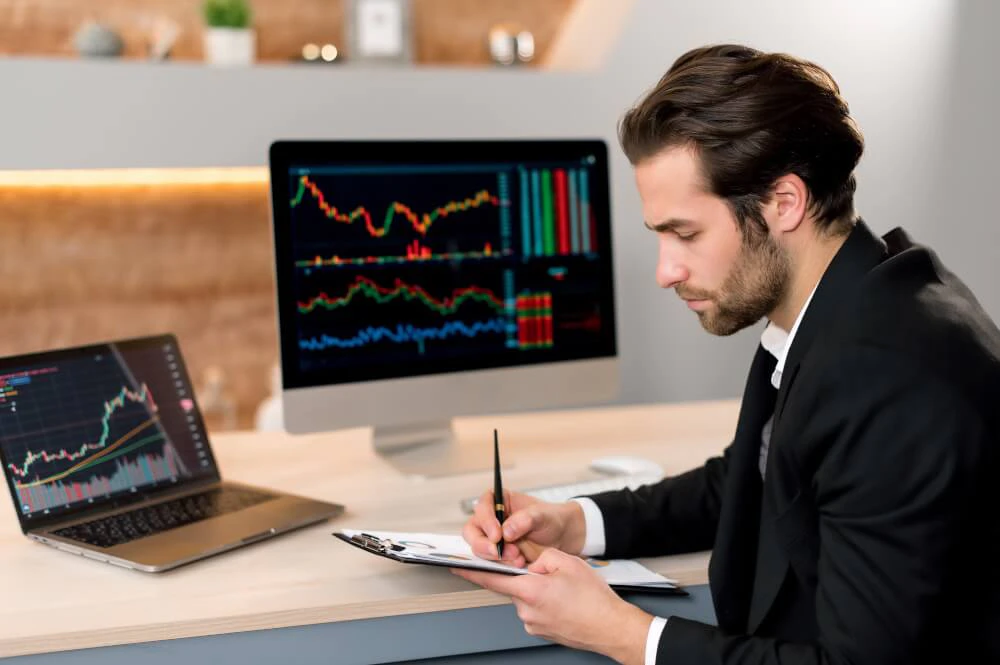
Finally, use social media as a learning tool rather than a signal service. Follow people who explain their thinking and analysis, not just those posting trade ideas. Over time, this helps you build your own understanding and confidence.
Social media can support your trading, but it should never control it. The most important factor is still your ability to follow your plan, manage your risk, and stay disciplined. When you focus on that, social media becomes a tool rather than a distraction.