
Nick Goold
Many traders believe that more trading leads to more profit. In reality, the opposite is often true. Profit does not come from how often you trade, but from how well you choose your trades.
One of the biggest differences between losing and profitable traders is patience. Waiting for the right setup—one that fits your strategy—can feel slow and uncomfortable. But trading too often, especially without clear conditions, usually leads to unnecessary losses.
Every loss not only reduces your account balance but also affects your confidence and decision-making. This is why selective trading is critical. The goal is not to be active all the time, but to be active at the right time.
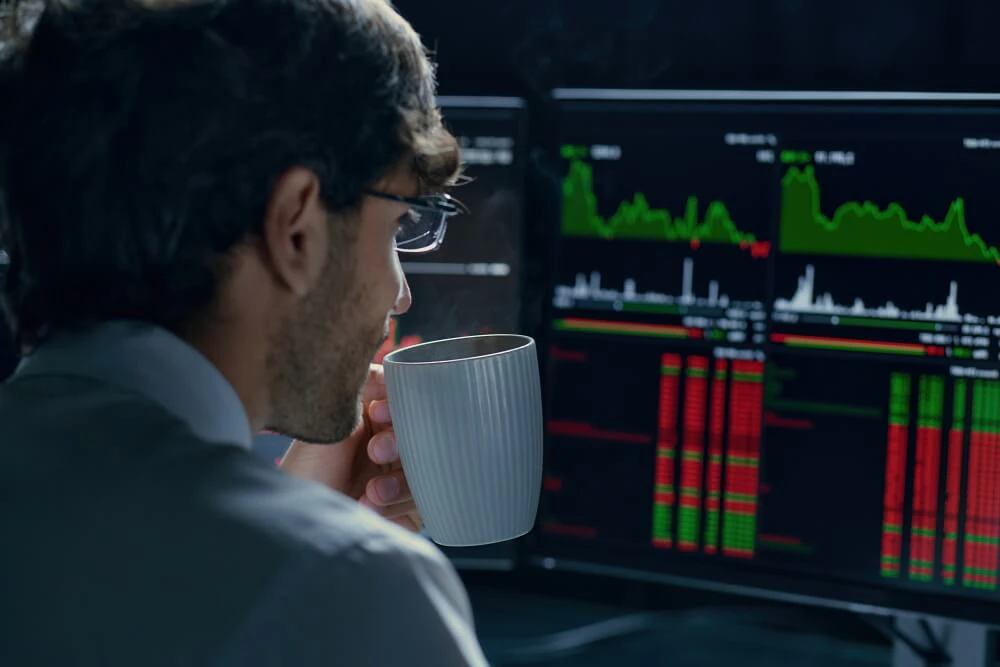
Why Waiting Is a Core Trading Skill
Patience is not just a personality trait in trading—it is a skill. Professional traders spend a large portion of their time waiting, not trading. They understand that good opportunities are limited, and forcing trades in between those moments reduces their edge.
Think of trading like fishing. You don’t catch more fish by constantly throwing your line into poor locations. You wait for the right conditions, in the right place, at the right time. Trading works the same way.
Take Breaks to Stay Mentally Sharp
Trading performance is closely linked to mental clarity. When you watch charts for too long, your decision-making becomes weaker. You start seeing trades that are not really there, and your discipline begins to slip.
Taking regular breaks helps reset your focus. It also reduces the urge to trade out of boredom. In most cases, one to two hours of focused chart time per day is enough. Beyond that, the risk of overtrading increases significantly.
Stepping away from the screen is not avoiding trading—it is part of maintaining control and consistency.
Stay Productive While Waiting for Setups
Waiting for a trade does not mean doing nothing. The key is to stay engaged without forcing trades. Many traders struggle here because they feel they must always be “doing something.”
Instead of staring at charts, shift your attention elsewhere while keeping an eye on the market. This could be simple activities like reading, light research, or even taking a walk. The goal is to stay relaxed while remaining ready.
When your setup appears, you act. Until then, you conserve your focus and avoid unnecessary risk.
Approach Trading Like a Business
Successful traders treat trading as a structured process, not a series of random decisions. Every trade should have a clear plan before execution and a review afterward.
Before entering a trade, you should know your entry, stop loss, and target. After the trade, you should review whether you followed your plan—not just whether the trade was profitable.
In business, acting outside the plan leads to poor results over time. Trading is no different. Consistency comes from following a defined process, not from chasing opportunities.

Use Waiting Time to Improve Your Trading
If waiting feels unproductive, you are likely missing an opportunity to improve. Reviewing past trades is one of the most effective ways to develop as a trader.
Look at your recent trades and ask simple questions. Did you follow your plan? Were your entries too early? Did you exit based on emotion or structure? These small observations compound over time and lead to better decisions.
Progress in trading does not come from trading more—it comes from trading better. Using your waiting time to refine your approach is what separates consistent traders from the rest.
Focus on Quality Over Quantity
The market will always be there tomorrow. Opportunities are endless, but high-quality opportunities are not. Your job is to protect your capital and take trades that truly align with your strategy.
By trading less but with more precision, you reduce stress, avoid unnecessary losses, and improve your overall performance. In the long run, patience is not just a defensive skill—it is a competitive advantage.