
Nick Goold
Visualization in Trading: How Mental Rehearsal Improves Performance
Professional trading has a lot in common with professional sports. Both require discipline, focus, and the ability to perform under pressure. Traders often spend time improving their strategies, but many overlook the mental side of performance. Visualization is one way to strengthen this area and improve consistency over time.
Visualization is the process of mentally rehearsing situations before they happen. Instead of reacting to the market in real time, you prepare your mind in advance—how you will analyze, execute, and manage trades. This makes your decisions more controlled and reduces emotional reactions during live trading.
Why Visualization Matters in Trading
Trading is not just about knowing what to do—it is about being able to do it consistently under pressure. Visualization helps bridge that gap by preparing you mentally before you face real market conditions.
One of the main benefits is improved focus. When you repeatedly go through your trading process in your mind, it becomes more familiar. This reduces hesitation and helps you stay clear on what you are looking for in the market.
It also builds confidence. Seeing yourself follow your plan, manage trades properly, and handle different outcomes makes it easier to stay calm when those situations happen in real life. Confidence built this way is more stable because it comes from preparation, not just results.
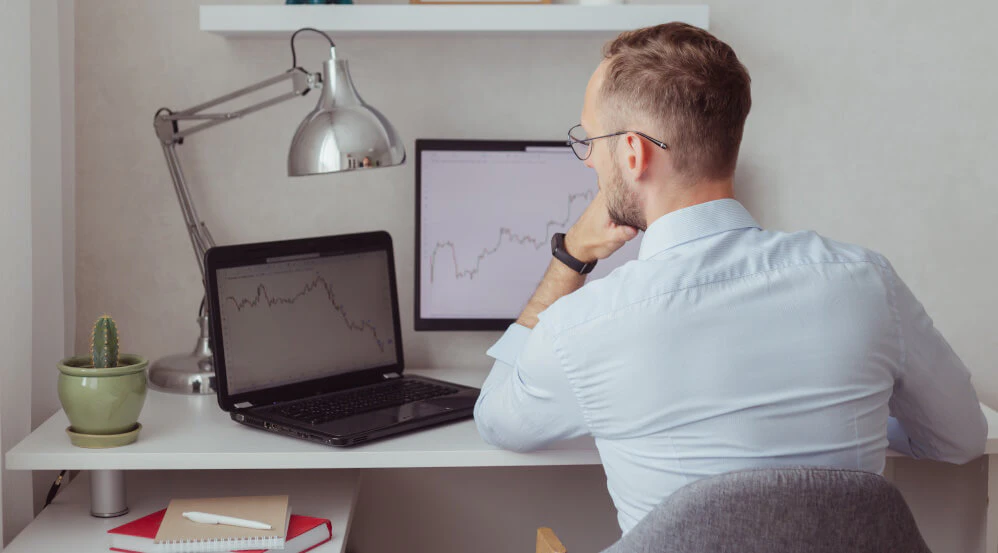
Another important benefit is emotional control. Markets will always create pressure, especially during losses or fast movements. By mentally rehearsing these situations, you train yourself to respond calmly instead of reacting emotionally.
Finally, visualization helps reinforce your trading strategy. Repeating your process mentally strengthens your ability to execute it consistently. Over time, this creates a habit of following your rules without second-guessing.
How to Use Visualization in Your Trading Routine
Visualization does not need to be complicated. The goal is to make your trading process familiar before you are in a live situation.
Start by creating a quiet environment where you can focus without distractions. Even a few minutes is enough if done properly. The key is quality, not length.
Before you begin, be clear about what you want to practice. This could be:
- Waiting patiently for a setup
- Executing a trade according to your plan
- Managing a losing trade calmly
- Sticking to your risk limits
Then, mentally walk through realistic scenarios. Imagine the charts, your entry point, and how you manage the trade. Include both good and difficult situations. For example, visualize what you will do if the trade moves against you.

The more detailed the scenario, the more effective the practice. Try to feel the situation, not just think about it. This helps prepare your reactions in advance.
Consistency is important. Doing this regularly—before or after your trading session—will gradually improve your discipline and execution. Over time, your responses in real trading will start to match what you have practiced.
Building Mental Strength Through Practice
Visualization works best when combined with a structured trading approach. It does not replace analysis or strategy, but it supports them by improving how you apply your plan.
Simple habits can strengthen this process:
- Keep your visualization focused on your trading process, not just profits
- Include both winning and losing scenarios
- Stay realistic—focus on execution, not perfect outcomes
- Use it to reinforce discipline, not create expectations
Over time, this kind of mental training helps reduce impulsive decisions, improves consistency, and builds confidence in your approach.
Trading success is not just about finding opportunities—it is about executing them well. Visualization helps prepare you for that moment, so when it comes, you are ready to act with clarity and control.