
Nick Goold
Scaling in and scaling out are advanced trade management techniques used by experienced forex traders to improve entries, manage risk, and lock in profits over time. Instead of entering and exiting a full position at a single price, this approach allows you to build into a trade gradually and reduce exposure in stages. When used correctly, it creates more flexibility and helps you adapt to how the market actually moves, rather than relying on perfect timing .
Understanding how and when to apply these techniques can significantly improve consistency, especially in trending or uncertain market conditions.
What Is Scaling In and Why Traders Use It
Scaling in means entering a trade in smaller parts rather than placing your full position at once. You start with a smaller position and add to it as the market moves in your favor.
This approach reduces the pressure of timing the perfect entry. Instead of trying to catch the exact turning point, you allow the market to confirm your idea before increasing exposure.
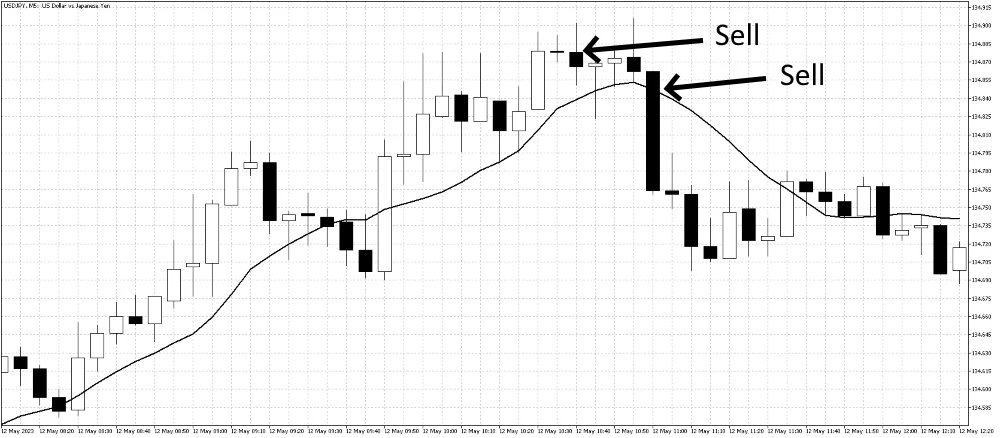
It also helps control risk. If the trade does not work, your initial exposure is smaller. If it does work, you build a larger position as confidence increases.
How Scaling In Improves Trade Execution
Scaling in works best when there is a clear trend or structure in the market. As price moves in your direction, you can add positions at logical levels such as pullbacks, breakouts, or support and resistance areas.
This creates a more natural way of entering trades. Instead of committing fully at one price, you align your position size with how the market develops.
A simple approach could include:
- Starting with a smaller initial position
- Adding positions as the trend confirms
- Keeping each additional entry planned in advance
This structure helps remove emotional decisions and keeps your execution consistent.
What Is Scaling Out and How It Protects Profits
Scaling out is the process of closing part of your position as the trade moves into profit. Instead of exiting everything at once, you take profits in stages.
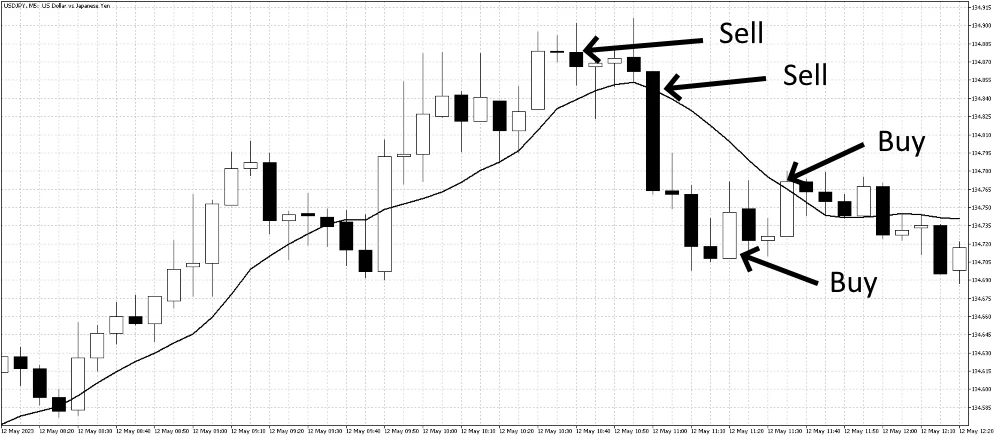
This reduces the pressure of choosing the perfect exit point. You secure some profit early while keeping part of the position open in case the market continues to move in your favor.
It also helps protect against reversals. If the market turns, you have already locked in part of your gains.
Balancing Risk and Reward Across the Trade
One of the key advantages of combining scaling in and scaling out is better control over risk and reward.
As you build into a winning position, your exposure increases alongside confirmation from the market. At the same time, scaling out allows you to gradually reduce that exposure as profits grow.
This creates a more balanced trade profile compared to entering and exiting all at once. However, it is important to plan both entries and exits in advance. Without a clear structure, scaling can become inconsistent and lead to poor decision-making.
Planning Entries and Exits Before the Trade
Before entering a trade, you should already know where you may add positions and where you may reduce them.
These decisions are often based on:
- Support and resistance levels
- Trend structure and pullbacks
- Technical signals such as moving averages
By planning ahead, you avoid reacting emotionally during the trade. This makes execution smoother and more consistent.
Adapting to Market Conditions
Scaling strategies work best in trending or structured markets where price moves with some consistency. In choppy or unpredictable conditions, adding positions can increase risk without clear direction.
It is important to adjust your approach based on the environment. In strong trends, scaling in can help maximize opportunity. In uncertain markets, reducing activity or avoiding additional entries may be more effective.
Think in Risk and Reward, Not Win Rate
Scaling techniques can improve win rate and consistency, but they should not be used to avoid losses or overcomplicate trading. The main objective is still to manage risk and allow profitable trades to develop. Each position you add or remove should make sense within your overall risk plan.
When used with discipline, scaling in and scaling out can create a more controlled and adaptable trading approach. It allows you to respond to the market step by step, rather than relying on a single decision at entry and exit. Over time, this approach helps build consistency by aligning position size, risk, and market behavior more effectively.