
Nick Goold
One of the most important skills in forex trading is the ability to trade in line with price movements. Many traders struggle with this, and it often becomes a major reason for consistent losses. Instead of working with the market, they try to predict turning points too early or chase moves too late.
Understanding how price is moving in real time and adapting your decisions accordingly is a key difference between struggling traders and consistently profitable ones. Trading is not about predicting the exact top or bottom, but about aligning your actions with what the market is currently doing.
The Difference Between Novice and Professional Traders
One of the clearest differences between novice and professional traders is how they approach entries. Many beginners react quickly when they see movement, entering trades without a clear plan or confirmation. This often leads to poor timing and unnecessary losses.
Professional traders take a different approach. They plan their trades in advance and wait for the right conditions before entering. Even when they identify a good opportunity, they are willing to wait for confirmation. If the timing is not right, they simply do not trade.
This patience is critical. The market will always provide new opportunities, but forcing trades often leads to avoidable mistakes.
Example 1: Reversal Trading Timing
In reversal situations, novice traders often try to buy while the market is still falling or sell while it is still rising. This approach assumes that the market will turn immediately, which is rarely the case.
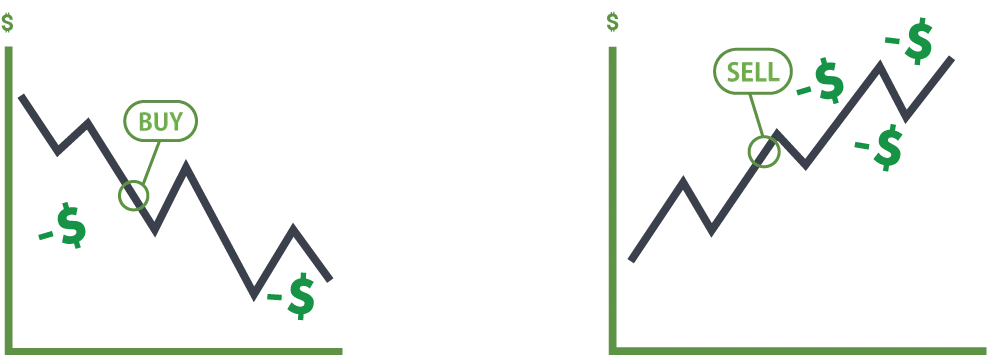
Professional traders wait for signs that the market has actually started to reverse. Instead of guessing the turning point, they look for confirmation such as a shift in momentum or a change in price direction before entering.
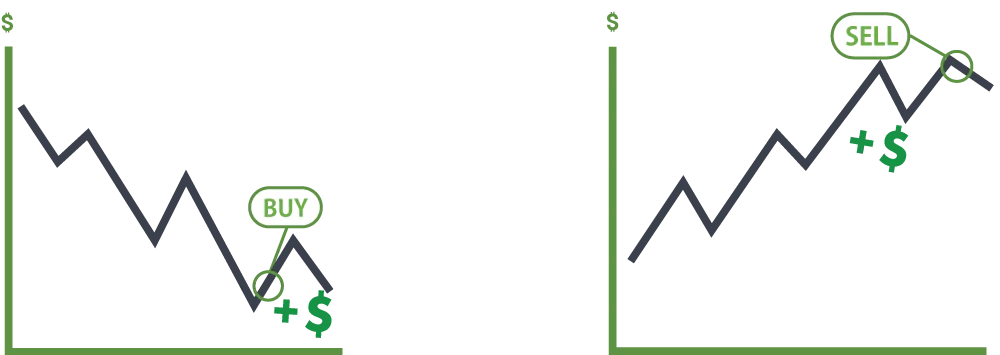
This approach reduces risk and improves entry quality, even if it means entering slightly later.
Example 2: Trading With the Trend
Another common mistake is chasing price after a large move. Novice traders often buy after a strong rise or sell after a sharp fall, entering at poor levels where the market is more likely to pause or retrace.
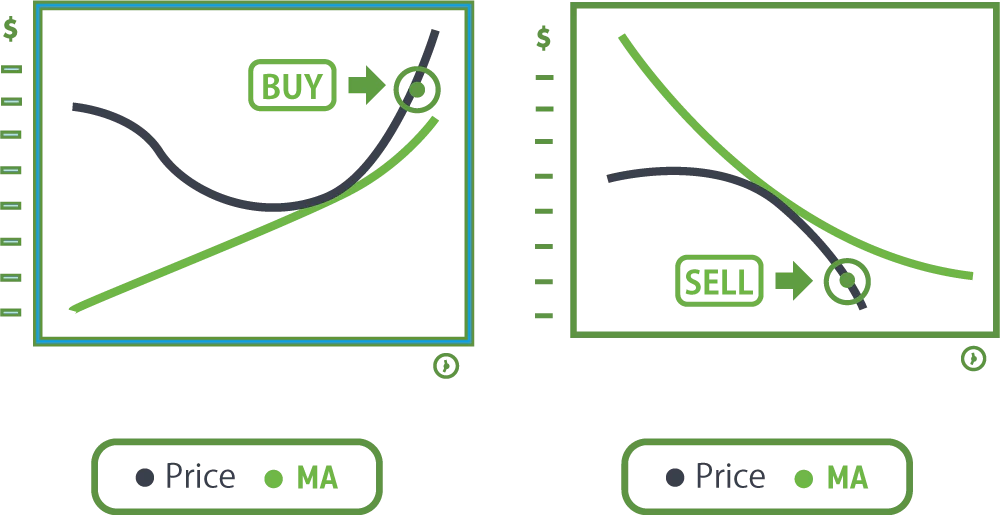
Professional traders focus on trading with the trend, but with better timing. Instead of entering during extended moves, they wait for price to retrace toward key levels such as a moving average before entering in the direction of the trend.
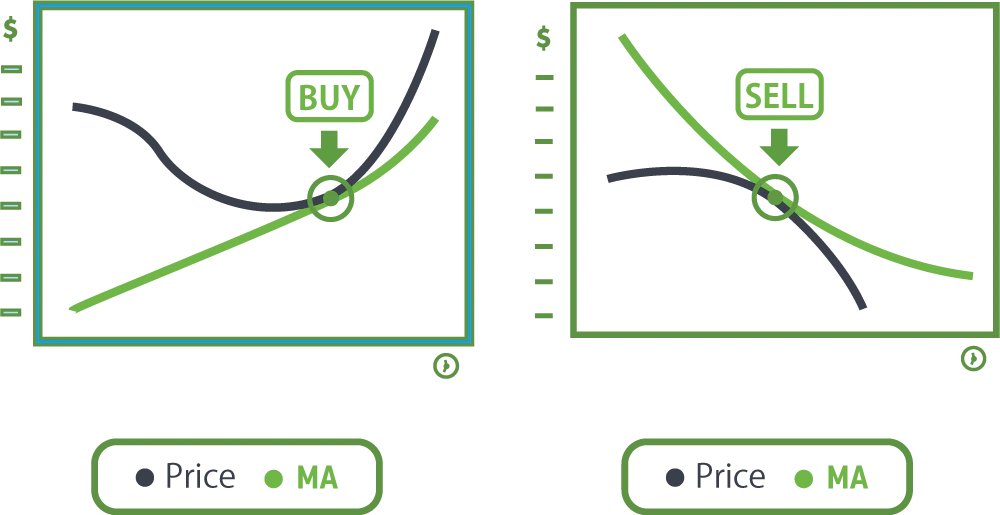
This allows for better risk control and improves the overall risk-reward of the trade.
Planning Trades Instead of Reacting
Planning is another key difference between successful and unsuccessful traders. Many beginners rely on emotion, entering trades based on what the market is doing in the moment. This reactive approach often leads to inconsistent results.
Professional traders operate differently. They define their strategy in advance, including entry conditions, stop loss placement, and profit targets. When the market reaches their planned levels, they act. If it does not, they wait.
This structured approach helps maintain discipline and reduces emotional decision-making, especially during volatile conditions.
Trade in Line With Price Action
Trying to buy at the lowest point or sell at the highest point is appealing, but in practice it is extremely difficult and often dangerous. Markets can continue moving in the same direction longer than expected, and entering against that momentum can quickly lead to losses.
A more effective approach is to follow price action. This means aligning your trades with the current direction of the market rather than trying to predict a reversal too early.
One simple way to do this is by observing candlestick direction:
- Enter buy trades when price is moving upward and bullish candles are forming
- Enter sell trades when price is moving downward and bearish candles are forming
- Avoid entering trades when price direction is unclear or inconsistent
This approach keeps you aligned with short-term momentum and reduces the likelihood of fighting against the market.
Focus on Short-Term Price Movements
Short-term price movement is often more important than long-term expectations when it comes to trade timing. Even if your overall analysis is correct, entering at the wrong moment can result in losses. Markets do not move in straight lines. There are always short-term fluctuations that can affect your entry and stop loss. Waiting for the right short-term conditions improves your chances of success.
At the same time, hesitation can also be a problem. Overthinking a trade can lead to delayed entries, which often result in worse prices and reduced profitability. Finding the balance between patience and decisiveness is key. Accepting that the market is always right is an important mindset shift. Instead of trying to force your view onto the market, adapt to what price is doing. Trading with momentum, rather than against it, helps reduce risk and improve consistency over time.
By focusing on timing, discipline, and alignment with price action, traders can improve their decision-making and avoid many of the common mistakes that lead to losses.