
Nick Goold
Understanding Candlestick Reversal Patterns
Candlestick charts remain one of the most effective tools for understanding price action. By showing the open, high, low, and close within a single candle, they provide a clear snapshot of market sentiment. Traders use these patterns to identify potential turning points, especially when trends begin to weaken or reverse. :contentReference[oaicite:0]{index=0}
Over time, traders have identified recurring formations that signal shifts in momentum. These reversal patterns do not guarantee outcomes, but they offer insight into how buyers and sellers are behaving at key moments in the market.
Why Reversal Patterns Matter
Markets do not move in straight lines. Trends eventually slow, stall, and reverse. Candlestick reversal patterns help traders recognize when this shift may be happening.
Rather than predicting exact price movements, these patterns highlight changes in control. When sellers lose strength or buyers begin to step in, this transition often appears clearly in candlestick structure.
Used correctly, reversal patterns can improve timing and provide a more structured approach to entering and exiting trades.
Morning Star Pattern
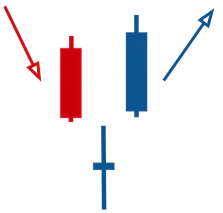
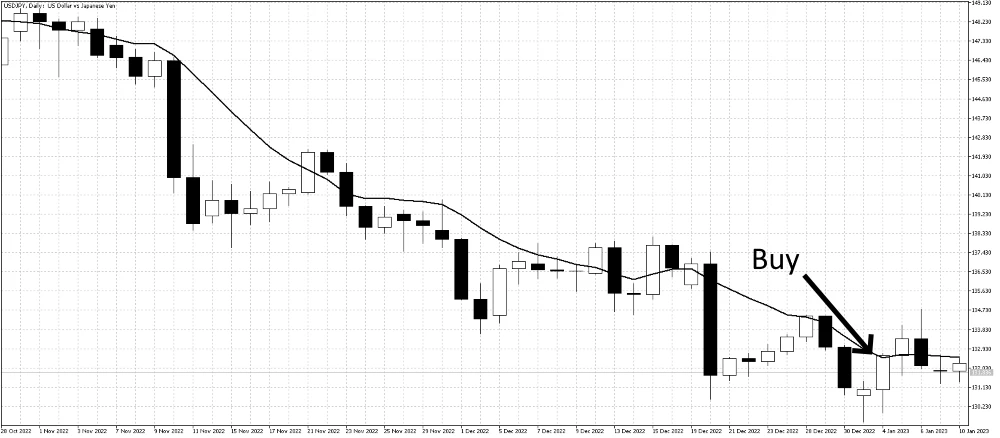
The Morning Star is a bullish reversal pattern that forms after a downtrend. It typically consists of three candles. The first is a strong bearish candle, showing continued selling pressure. The second is a smaller candle, reflecting indecision as the market slows. The third is a strong bullish candle that closes back into the range of the first.
This sequence shows that sellers are losing control and buyers are beginning to take over. Traders often look for confirmation in the following candle before entering long positions.
Evening Star Pattern
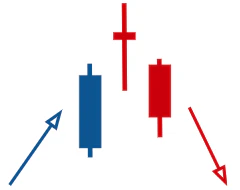
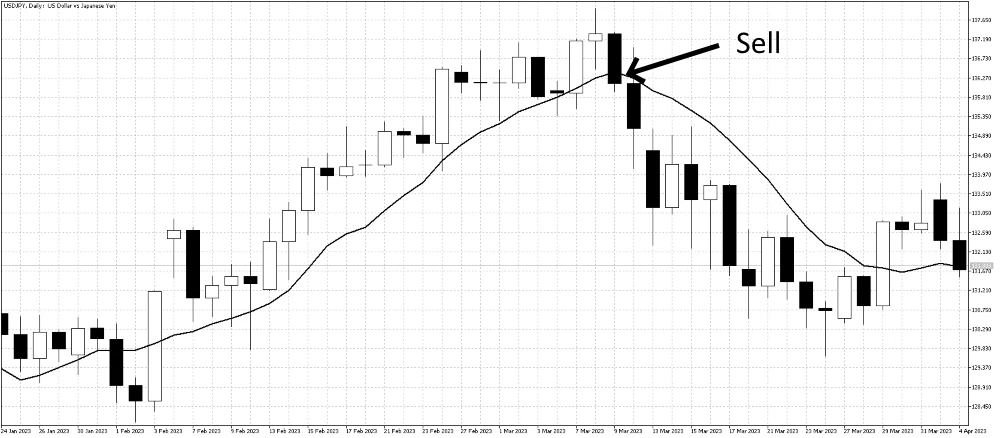
The Evening Star is the bearish counterpart to the Morning Star and appears after an uptrend. It also forms in three stages. A strong bullish candle is followed by a smaller candle that shows hesitation. The final candle is a strong bearish move that pushes price back down.
This pattern suggests that buying momentum has weakened and sellers are stepping in. It is often used as an early signal of a potential downward move.
Three Inside Up Pattern
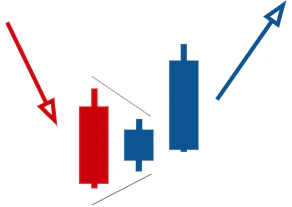
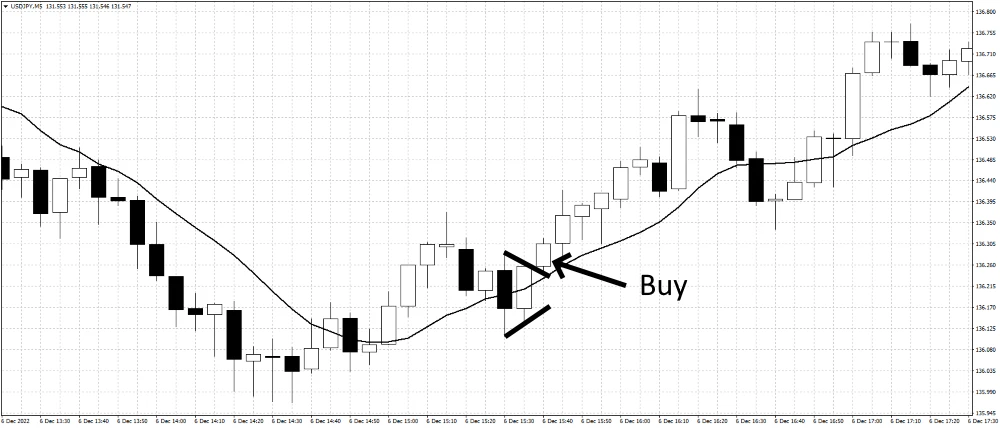
The Three Inside Up pattern is another bullish reversal formation. It begins with a strong bearish candle, followed by a smaller bullish candle that forms within the first candle’s range. The third candle confirms the reversal by closing above the high of the first candle.
This pattern reflects a gradual shift in sentiment. Selling pressure slows, buyers step in, and momentum builds toward a new upward move.
Three Inside Down Pattern
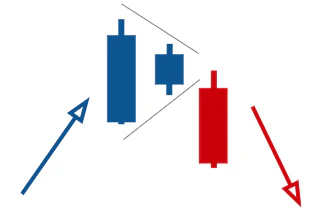
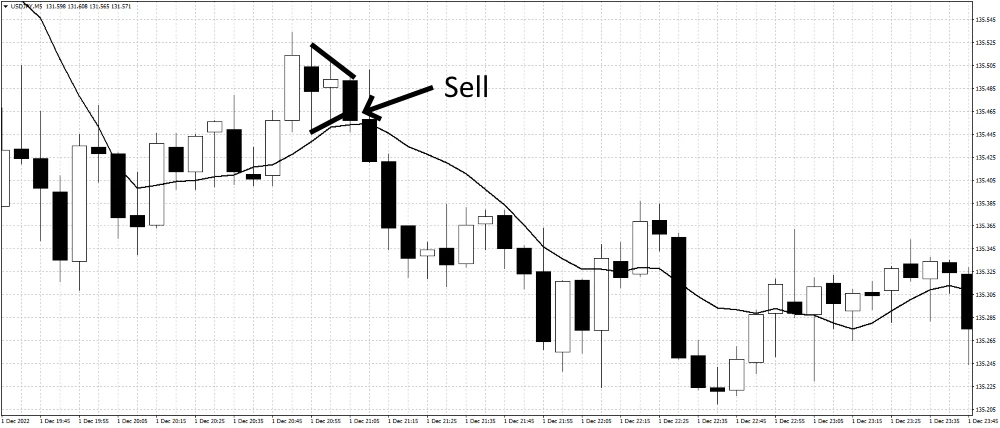
The Three Inside Down pattern is the bearish version of the Three Inside Up. It starts with a strong bullish candle, followed by a smaller bearish candle within its range. The third candle confirms the shift by closing lower.
This pattern highlights a loss of upward momentum and the beginning of selling pressure.
Hanging Man Pattern
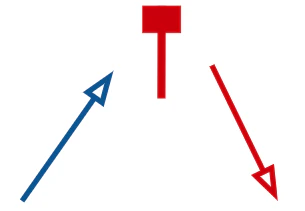
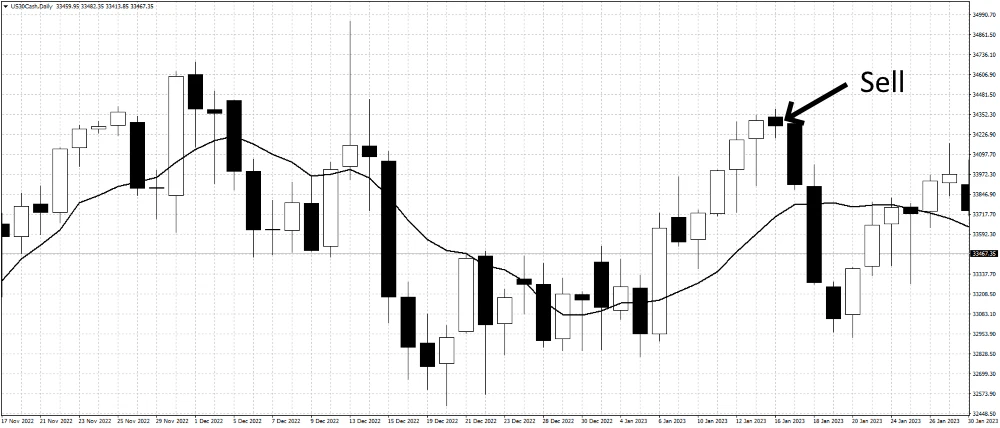
The Hanging Man is a single-candle pattern that appears near the top of an uptrend. It has a small body with a long lower wick, showing that price dropped significantly during the session before recovering.
While the close may look stable, the long lower shadow suggests that selling pressure is increasing. This can be an early warning that the trend is weakening, especially if followed by a bearish candle.
Inverted Hammer Pattern
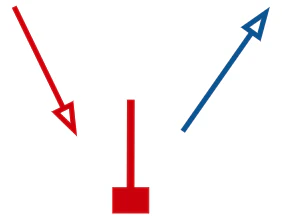
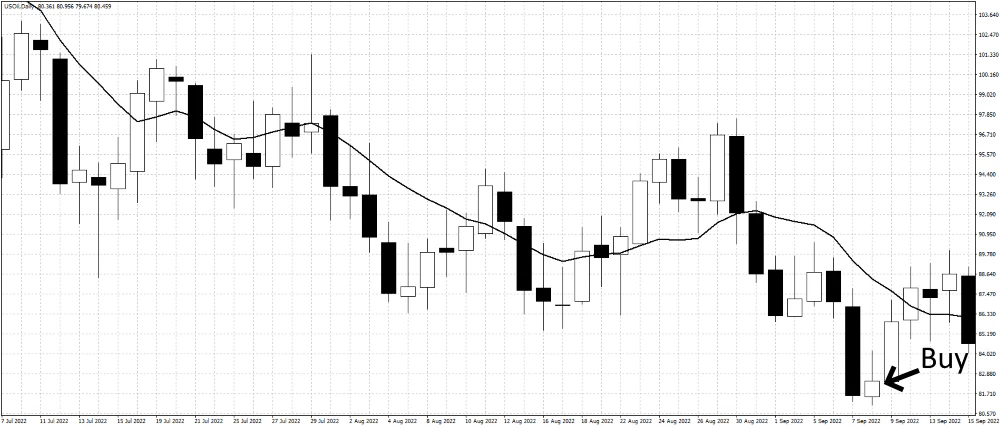
The Inverted Hammer forms at the end of a downtrend and signals a possible bullish reversal. It has a small body and a long upper wick, indicating that buyers attempted to push prices higher during the session.
Although the move was not sustained, the attempt itself shows that selling pressure may be fading. Confirmation from the next candle is often used before entering a trade.
How to Use These Patterns in Trading
Reversal patterns are most effective when combined with context. A pattern forming at a key support or resistance level carries more weight than one forming in the middle of a range.
Traders often look for alignment between candlestick patterns and other factors:
- Key support and resistance levels
- Trend direction on higher timeframes
- Momentum indicators or volume
This approach helps filter out weaker signals and improves decision-making.