
Nick Goold
Forex volatility is a key concept that every trader needs to understand. It refers to how much a currency pair’s price moves over a certain period of time. When volatility is high, prices can move quickly in either direction. When volatility is low, price movements tend to be slower and more stable. Understanding volatility helps traders manage risk more effectively and identify potential trading opportunities.
What Causes Forex Market Volatility?
Currency prices are constantly moving, but these movements are not random. Several key factors drive volatility in the forex market, and understanding them can give traders a significant advantage.
Economic Indicators
Economic data is one of the main drivers of forex volatility. Reports such as Gross Domestic Product (GDP), employment data, inflation (CPI), retail sales, and manufacturing activity provide insight into the strength of an economy. When data is stronger or weaker than expected, it can quickly move currency prices. For example, stronger-than-expected data may increase demand for a currency, while weak data can lead to selling pressure.
Central Bank Actions
Central banks have a major influence on currency markets through interest rate decisions and monetary policy guidance. Changes in interest rates, or even signals about future policy, can cause sharp market reactions. For instance, when the Federal Reserve raises interest rates, the U.S. dollar often strengthens as investors seek higher returns. Even speeches from central bank officials can increase volatility if they change market expectations.

Geopolitical Events
Political events and global uncertainty can create sudden and unpredictable volatility. Elections, conflicts, trade tensions, and major policy changes often lead to shifts in investor confidence. When uncertainty increases, traders may move capital quickly, causing sharp price swings across currency pairs.
Market Sentiment
Market sentiment reflects how traders feel about a currency or the overall market. When sentiment is positive, buyers dominate and prices tend to rise. When sentiment turns negative, selling pressure increases. These shifts in sentiment can happen quickly, especially during major news events, and often lead to strong moves in the market.
Breaks of Key Technical Levels
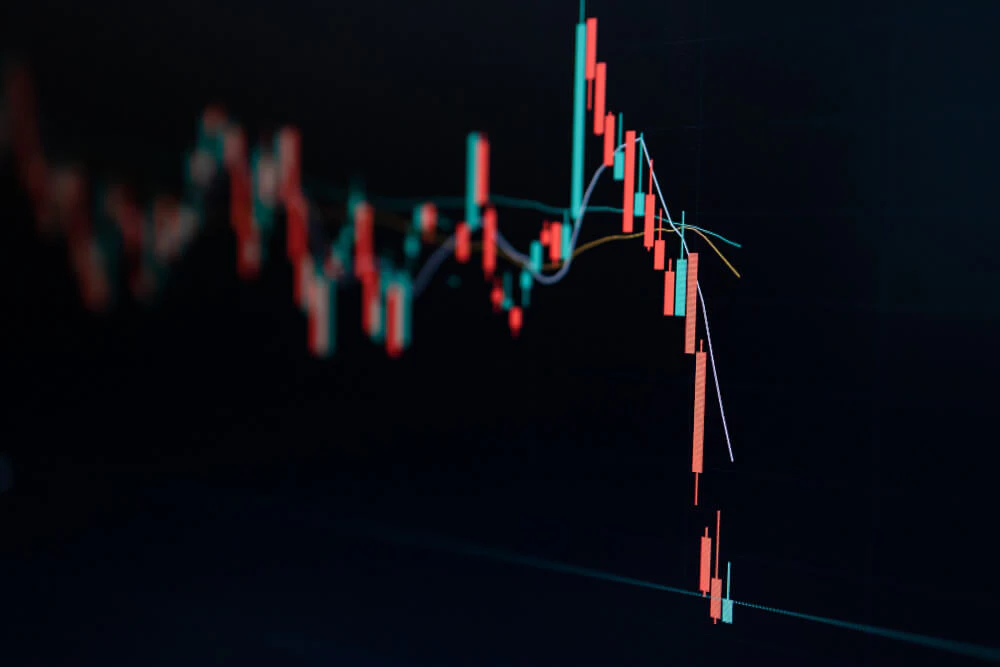
Technical levels such as support and resistance play an important role in trading decisions. Many traders watch the same levels, which makes them powerful. When price breaks above resistance or below support, it often triggers more buying or selling. This can accelerate price movement and increase volatility.
For example, if a currency pair breaks above a well-known resistance level, it can signal the start of a stronger upward move. More traders may enter the market, pushing the price higher. On the other hand, a break below support can lead to increased selling and a faster decline.
Natural Disasters
Unexpected events such as earthquakes, hurricanes, or floods can also affect currency markets. These events can damage economic activity and create uncertainty, which may lead to increased volatility as traders react to the changing outlook.
Technology and Algorithmic Trading
Technology plays an increasingly important role in today’s markets. Algorithmic and high-frequency trading systems can execute large numbers of trades in a very short time. This can amplify price movements, especially during major news releases, and contribute to sudden spikes in volatility.
In addition, the speed at which information spreads today means markets react almost instantly to new data. This can create fast, sharp moves that traders need to be prepared for.
Understanding what drives forex volatility is essential for improving trading performance. Volatility creates both opportunities and risks. While larger price movements can offer greater profit potential, they also increase the chance of losses. By recognizing the factors behind market movements, traders can make more informed decisions, adjust their strategies, and manage risk more effectively.