
Nick Goold
Technical analysis is one of the most widely used approaches in forex trading. It focuses on studying past price movements to understand how markets behave and to identify potential future opportunities. While many traders rely on technical indicators and chart patterns, it is important to understand why technical analysis works and when it is most effective.
At its core, technical analysis works because markets are driven by human behavior. Prices move based on supply and demand, which are influenced by how traders react to information, expectations, and risk. When large numbers of traders follow similar strategies, their actions can reinforce price movements and make certain patterns more reliable.
Why Technical Analysis Works in Forex Markets
Technical analysis is not about predicting the future with certainty. Instead, it is about understanding probabilities based on how traders tend to behave. When many traders watch the same levels or indicators, their combined actions can influence price direction.
For example, if a large number of traders use a moving average as a signal to buy, a break above that level can trigger multiple buy orders. This increased demand can push prices higher, creating a self-reinforcing move. The same logic applies to support and resistance levels, trendlines, and breakout patterns.
This is why widely followed tools often appear to “work” more consistently. It is not the indicator itself that moves the market, but the collective behavior of traders responding to it.
Understanding this concept shifts your focus from trying to predict price perfectly to anticipating how other traders are likely to react. This perspective is key to improving decision-making in the market.
Focus on Trader Behavior, Not Just Indicators
A common mistake is to treat technical indicators as fixed signals that always produce results. In reality, indicators are simply tools that reflect market behavior. The real edge comes from understanding why traders act at certain levels.
Markets move because traders are buying and selling based on expectations, fear, and opportunity. By studying how traders react to price movements, news, and key levels, you can better understand short-term market direction.
This is why combining technical analysis with an awareness of market sentiment is so powerful. Reading market commentary, following news developments, and understanding common trading strategies can help you anticipate how others are positioned.
Keep Your Approach Simple and Consistent
One of the most effective ways to improve your technical analysis is to simplify your approach. Adding more indicators does not increase accuracy and often leads to confusion or conflicting signals.
A clear and consistent trading plan makes it easier to execute trades and manage risk. Instead of searching for a perfect setup, focus on a small number of tools that you understand well.
- Use a limited number of indicators that align with your strategy
- Avoid overloading charts with unnecessary signals
- Focus on consistency rather than complexity
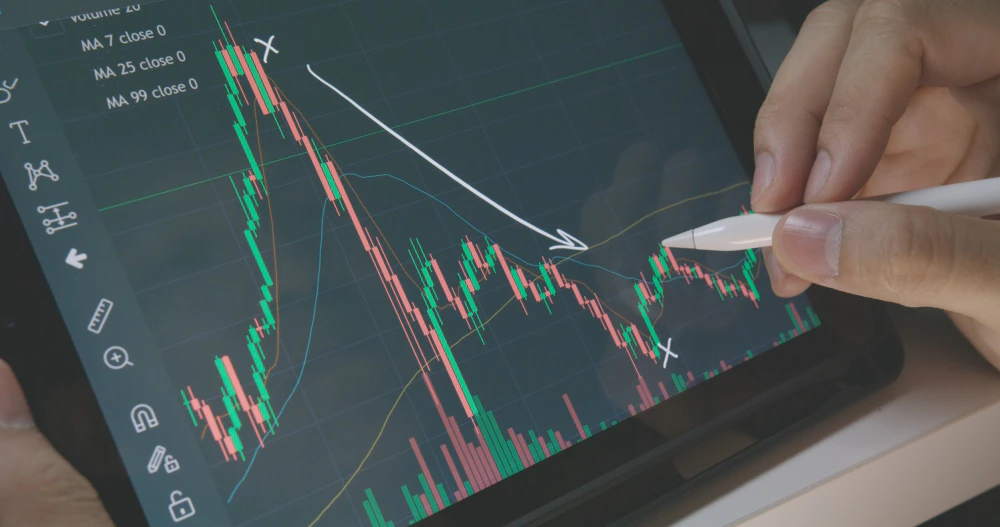
Simple strategies are easier to follow under pressure and help reduce emotional decision-making.
Adapt to Trending and Ranging Market Conditions
Technical analysis works differently depending on market conditions. One of the most important skills for a trader is recognizing whether the market is trending or ranging.
In a trending market, price moves in a clear direction. In these conditions, trend-following strategies are more effective. For example, traders may look to buy when price moves above a rising moving average in an uptrend.
In a ranging market, price moves sideways between support and resistance. In this environment, reversal strategies are often more suitable, as price tends to move back toward its average.
- Use trend-following strategies in strong directional markets
- Use reversal strategies when the market is moving sideways
- Adjust your expectations based on current conditions

Applying the same strategy in all conditions often leads to poor results. Adapting your approach based on the environment improves consistency.
Combine Technical Analysis with News Awareness
While technical analysis focuses on price, it does not exist in isolation. Economic data releases, central bank decisions, and geopolitical events can quickly change market direction and invalidate technical setups. Being aware of upcoming news events allows you to manage risk more effectively and avoid trading during unpredictable conditions. For example, a strong technical setup may fail if a major economic announcement shifts market expectations.
Traders who monitor economic calendars and understand market expectations are better prepared to decide when to trust technical signals and when to be cautious. Rather than choosing between technical and fundamental analysis, combining both approaches provides a more complete view of the market. Technical analysis helps identify entry and exit points, while fundamentals explain why the market is moving.
By focusing on trader behavior, simplifying your tools, adapting to market conditions, and staying aware of key news events, you can use technical analysis more effectively and improve your overall trading performance.