
Nick Goold
Markets started Tuesday with optimism. The Nikkei 225 rose 6% in Japan, and U.S. stocks opened higher as investors believed President Trump might delay new tariffs set to begin at midnight New York time Tuesday. These include broad retaliatory tariffs and an extra 50% on China. Optimism grew after Trump posted about a “great call” with South Korea’s acting president, and Treasury Secretary Scott Bessent said about 70 countries had reached out to discuss tariff talks.
That optimism didn’t last. Some investors sold into the 4% rally, and doubts began to grow during the day. Market confidence slipped further when Trump and a White House spokesperson publicly urged China to call and make a deal — something many saw as a sign of weakness. Despite talk of negotiations, there was no clear signal that the broader tariffs would be paused.

By the close, all major U.S. indexes had turned negative. The Dow fell 0.8%, and the S&P 500 dropped 1.5%, closing below 5,000 for the first time in a year. New tariffs are set to kick in just after midnight on top of the 10% baseline duty already implemented on Saturday. With total tariffs on China reaching 104%, many economists now expect slower U.S. growth in the months ahead.
Markets This Week
U.S. Stocks
The reversal of Monday’s early rally was a bearish signal, as both professional and retail investors used the bounce to sell. With the impact of new tariffs still being assessed, sentiment remains weak — especially for companies like Apple, already down 22% this year. Until President Trump announces any tariff relief, markets may stay under pressure. For now, focusing on selling into rallies appears to be the better strategy.
Japanese Stocks
Monday’s rise offered a short-term lift, but the Nikkei 225 is likely to face renewed pressure and could retest support around the 30,000 level. Japan has begun tariff talks with the U.S., but any progress is expected to be slow. With USD/JPY still in a downtrend and external uncertainty high, looking for selling opportunities looks best in the near term.
USD/JPY
USD/JPY once again failed to break above 148 resistance, and with the 10-day moving average still pointing lower and falling quickly, another test of the 145 support level looks likely. The pair is moving more in line with equity markets rather than interest rates, as rising tariffs are prompting safe-haven yen buying. Without positive news on tariffs, selling rallies may continue to be the preferred approach.
Gold
Gold remains just below the key $3000 level and is trading quietly as focus remains on equities. While ongoing concern about deeper stock market losses could support gold, any major upside seems limited for now. Short-term range trading looks like the best strategy in the current environment.
Crude Oil
Crude oil continues to fall as recession risks rise amid trade war fears. With little technical support until the $50 level, the outlook remains bearish. Unless there is clear progress in reducing U.S. tariffs, looking for selling opportunities remains the preferred strategy. Any short-term bounce is likely to face strong resistance.
Bitcoin
Bitcoin continues to look vulnerable, still trading below $80,000. With rising risk-off sentiment and no signs yet of relief on tariffs, the market mood is cautious. Unless there’s positive news soon, further losses are possible. In the short term, buying may be risky, and selling into strength looks more attractive.
The Benefits of Trading Commodities: Gold and Crude Oil
Gold and crude oil are two of the most traded commodities in the world. They're popular with both retail and professional traders because they have strong price moves, deep liquidity, and are active nearly 24 hours a day across major markets in Asia, Europe, and the U.S.
High Volatility and Strong Trends
One of the biggest strengths of trading gold and crude oil is their volatility. Prices move up and down frequently, creating many opportunities for all types of traders — whether you’re a fast scalper, a swing trader holding for a few days, or a long-term trend follower.
What makes these markets even more attractive is their tendency to form strong, sustained trends. This makes it easier to find setups with high risk-reward potential, where your potential gains are much larger than your possible losses. Compared to more range-bound markets like major forex pairs, gold and oil provide a more dynamic and directional trading environment.
Narrow Spreads
Another major advantage of trading gold and crude oil is their tight bid-ask spreads, especially during active trading hours. These commodities are among the most liquid in the world, meaning there are always many buyers and sellers in the market.
Tight spreads lead to lower trading costs, which is especially important for short-term traders or anyone placing frequent trades. Whether you’re just starting out or trading full time, narrow spreads help you keep more of your profits.
How Gold and Oil Reacted to Rising Tariffs
In the current environment of rising global tariffs, gold and crude oil have reacted in very different ways. Gold has moved higher, gaining from investor demand for safety. As economic uncertainty grows due to trade tensions, gold benefits from its role as a store of value and hedge against risk. Crude oil has dropped sharply, recently hitting a 4-year low. Slower economic growth caused by trade restrictions means lower energy demand. This weakens the outlook for oil, despite any short-term supply risks.
What Drives Gold Prices?
1. Interest Rates & Real YieldsGold tends to move inversely with real interest rates (interest rates minus inflation).
Lower real yields = gold goes up
Higher real yields = gold goes down
2. Inflation Expectations
Gold is a classic hedge against inflation.
Rising inflation = increased gold demand
3. U.S. Dollar Strength
Gold is priced in dollars, so when the dollar goes up, gold becomes more expensive for foreign buyers.
USD down = gold up
USD up = gold down
4. Geopolitical Uncertainty
Gold shines during crisis. Wars, political instability, and global tensions all push people toward gold.
5. Central Bank Activity
Central banks often buy gold to diversify reserves, especially in countries like China, India, Russia, and Turkey.
6. ETF Demand and Speculation
Funds like GLD (SPDR Gold ETF) buy physical gold. Rising ETF inflows mean higher investor demand. Futures trading by large speculators also affects short-term moves, especially around major economic news or central bank meetings.
7. Cultural and Seasonal Demand
In India and China, gold is a traditional investment and part of cultural celebrations.
Weddings, Diwali, and New Year create seasonal buying spikes.
More physical demand = stronger gold support
What Drives Crude Oil Prices?
1. Global Economic Growth
When the economy is strong, energy use goes up. Slowing growth means lower oil demand.
Strong growth = bullish oil
Recession fears = bearish oil
2. OPEC+ Supply Decisions
OPEC and its partners (like Russia) meet regularly to decide how much oil to produce.
Production cuts = price up
Production increases = price down
3. Geopolitical Risks & Disruptions
Any threats to oil supply can cause prices to spike — especially from key producers.
4. U.S. Shale & Inventory Reports
The U.S. is a top producer. Shale oil production can change quickly.
Weekly EIA inventory reports (every Wednesday) are closely watched for near-term supply trends.
5. Transportation & Refinery Capacity
Storms, maintenance shutdowns, or pipeline issues can affect supply and create local shortages, causing short-term volatility.
6. Seasonal Demand
Summer (U.S. driving season): More gasoline use = higher demand
Winter (heating season): More heating oil demand
7. Currency Movements (USD)
Since oil is priced in dollars:
Stronger USD = bearish oil
Weaker USD = bullish oil
8. Speculative Trading
Big funds and hedge funds trade oil futures. Their positioning (from CFTC data) can affect momentum, especially during trend reversals or breakouts.
9. Market Sentiment & Risk Appetite
Oil moves with global market mood.
Risk-on = oil rises with stocks
Risk-off = oil falls even if supply is tight
Trading Strategies for Commodities
Trading commodities like gold and crude oil can be rewarding, but it’s important to have a solid strategy. Below are the four key areas to focus on when trading these markets.
Technical Analysis
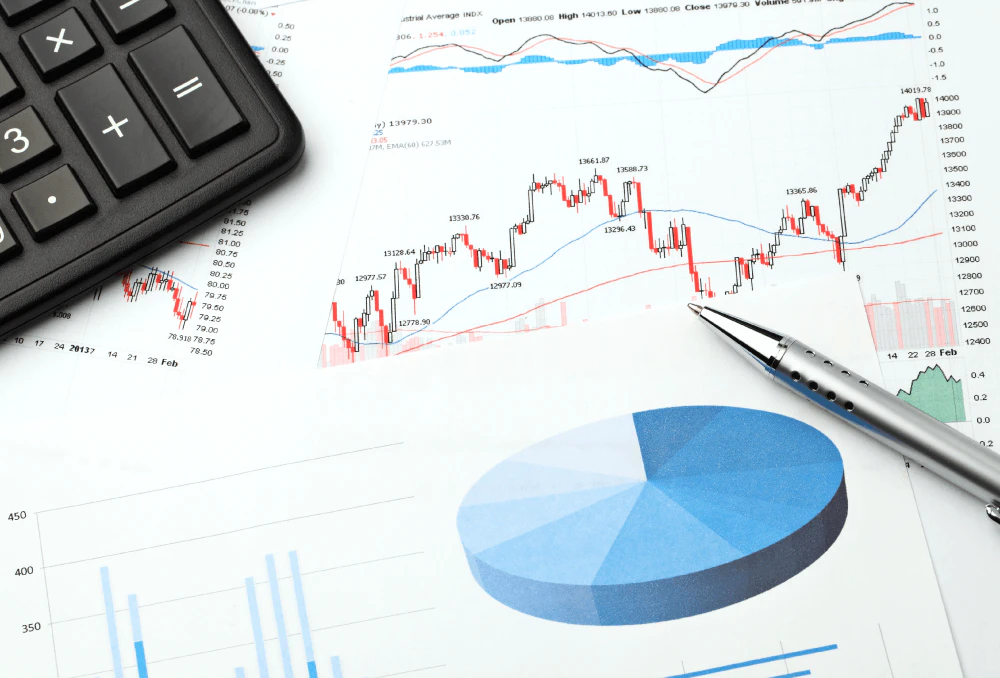
Many traders use technical analysis to make decisions based on price charts. In commodities, two simple but powerful tools are:
1. Moving Averages
Moving averages help you trade in the direction of the trend.
In an uptrend, the moving average can act as support — price often bounces off it.
In a downtrend, it can act as resistance — price often gets rejected from it.
Simple moving averages like the 20-day or 50-day are commonly used to spot these levels.
2. Support and Resistance from Highs and Lows
Watching previous highs and lows helps you find support and resistance zones.
If the market breaks above resistance or below support, this can lead to big moves.
If price tests support or resistance but fails to break and then reverses, it often creates high-risk/high-reward opportunities — especially when combined with candlestick patterns or volume spikes.
Keep it simple: Follow the trend, use key levels, and watch how price behaves around them.
Fundamental Analysis
Most strong trends in commodities are driven by fundamental reasons. That’s why it's important to understand why gold or oil is moving.
For gold, look at interest rates, inflation, the U.S. dollar, and geopolitical news.
For oil, watch economic data, OPEC decisions, global demand, and supply news.
If a market has a clear reason to trend (e.g. oil falling due to global slowdown), it’s usually best to follow the trend rather than fight it.
At the same time, be aware that commodity markets can move too far in one direction. If the market becomes extremely bullish or bearish, a price reversal becomes more likely. Be cautious when momentum starts to fade.

Risk Management
Always use a stop loss, and aim for a profit target that is 2 to 5 times larger than your risk. Even if you have a few losing trades, one strong winner can make up for it. In strong trends, using a trailing stop can help you lock in profits as the market keeps moving in your favor. Avoid risking too much on a single trade — stay consistent and protect your capital. Good risk management can turn a decent strategy into a profitable one.
Trading Psychology
Trading gold and oil can be emotionally challenging. These markets move fast and can create frustration, especially if you hit a losing streak. Be patient. Don’t try to chase every move. Stick to your strategy and give it time to work. Focus on the long game — with the right approach, large profits are possible in commodities. Confidence and discipline are just as important as technical skills. Managing your mindset is key to lasting success in volatile markets.
Profit from Liberation Day with Titan FX
April 2 marks the start of Liberation Day — a major turning point in global markets. With new tariffs, shifting trade policies, and rising volatility across currencies, commodities, and equities, traders face both risk and opportunity. Whether you're trading FX, gold, indices, or crypto, Titan FX equips you with lightning-fast execution, advanced tools, and the tightest spreads — especially for gold — so you can stay ahead and capitalize on this high-impact event.
Why Trade FX & CFDs with Titan FX Around Liberation Day?
✅ Ultra-Fast Execution – Stay ahead of sharp market movements in FX, indices, stocks, crypto, and commodities.
✅ Advanced Charting & Analysis Tools – Identify breakout points, trend shifts, and key trading levels with confidence.
✅ Trade Multiple Markets – From FX to gold, crude oil, stock indices, individual stocks, and crypto, trade it all from one platform.
✅ Secure and Flexible Funding – Focus on trading while we handle seamless deposits and withdrawals.
With markets moving at fast speed—tariffs reshaping global trade, central bank policies shifting currencies, and volatility presenting new opportunities daily—Titan FX ensures that you have the best execution, tight spreads, and cutting-edge tools to capitalize on every trading challenge.
Don’t just watch the action—profit from it. Start trading with Titan FX today!