Nick Goold
The FOMC Statement is one of the most important events on the economic calendar for FX and CFD traders. Even though the statement itself is usually short, it can move major currency pairs, stock indices, gold, oil and bond markets within seconds.
The key point is simple: markets are not only reacting to what the Federal Reserve does today. They are reacting to what traders think the Federal Reserve may do next. This is why the FOMC Statement matters so much.
What Is the FOMC Statement?
FOMC stands for the Federal Open Market Committee. This is the part of the U.S. Federal Reserve that makes key decisions about monetary policy, including the target range for U.S. interest rates.
The FOMC meets eight times a year, roughly every six to eight weeks. Most meetings take place over two days. At the end of the second day, the committee usually releases three key pieces of information:
- The rate decision — whether interest rates are held, raised or lowered.
- The statement — a short written explanation of the decision and the Fed’s view of the economy.
- The press conference — usually held by the Fed Chair around 30 minutes after the statement, where reporters ask follow-up questions about the decision, the economy and the future path of policy.
In the United States, the FOMC Statement is typically released at 2:00 p.m. Eastern Time, with the press conference at 2:30 p.m. Eastern Time.
For traders outside the U.S., the local time can change depending on daylight saving time. For example, during U.S. daylight saving time, 2:00 p.m. ET is usually 3:00 a.m. the next day in Japan. During U.S. standard time, it is usually 4:00 a.m. the next day in Japan.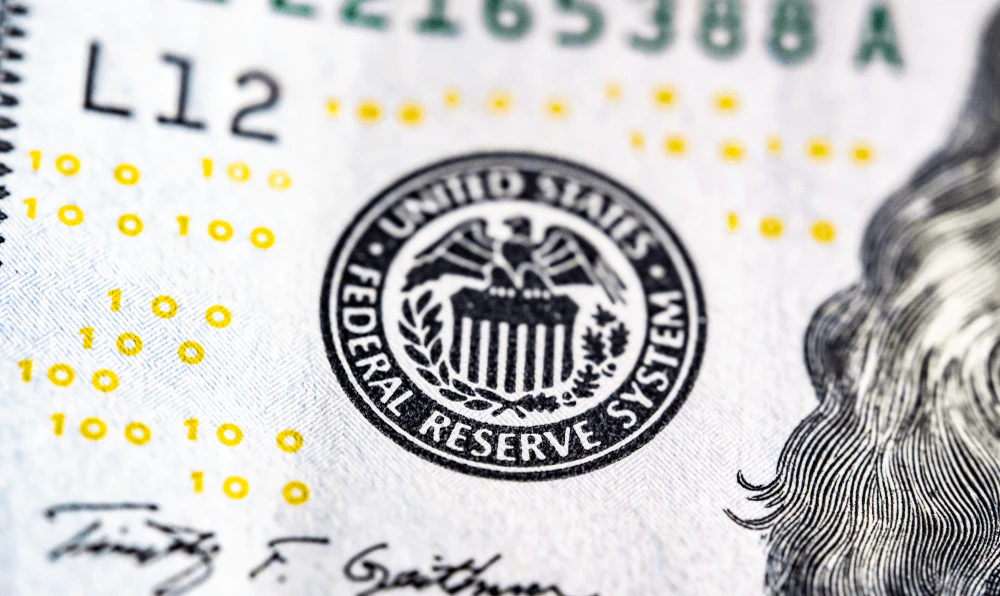
Why the Statement Matters More Than the Rate Decision
The interest rate decision is important, but it is often already expected by the time the FOMC meeting arrives.
The Federal Reserve usually gives signals in advance through speeches, economic data commentary and previous statements. This helps reduce the risk of surprising the market too much.
By the time the meeting arrives, traders often already have a strong idea of whether the Fed will hold, raise or lower rates. Markets also use economic data and interest rate futures pricing to estimate the likely outcome.
This means the rate decision is often already “priced in.”
That is why traders focus so closely on the statement. They want to understand how the Fed is thinking about the future.
- Is inflation still the main concern?
- Is the economy slowing?
- Are rate cuts still likely?
- Could rates stay high for longer?
- Did the Fed remove language that previously pointed to future easing?
Small changes in wording can quickly shift expectations, and that is what often moves FX, gold and equity markets.
Hawkish vs Dovish: Two Key Words for Traders
When discussing central banks, traders often use the words hawkish and dovish.
A hawkish tone means the Fed is more focused on controlling inflation. A hawkish Fed may be more likely to keep interest rates high or raise rates in the future. This is usually positive for the U.S. dollar because higher interest rates can make a currency more attractive to hold.
A dovish tone means the Fed is more concerned about economic growth, unemployment or financial stress. A dovish Fed may be more likely to cut interest rates in the future to support the economy. This is usually negative for the U.S. dollar, but it can support gold and stock indices if traders expect lower borrowing costs.
Markets Move on Expectations, Not Just the Decision
Markets are forward-looking. Prices move based on what traders expect the Fed to do next, not only what the Fed does today.
This is why a “no change” rate decision can still move markets sharply. If the statement suggests future rate hikes are more likely, the U.S. dollar may rise. If it suggests rate cuts are becoming more likely, the dollar may fall.
Traders also compare the statement with what was already expected. A hawkish statement can still weaken the dollar if markets expected an even more hawkish message.
The important question is:
“What did the Fed do compared with what the market expected?”
That gap between expectation and reality is often what creates the biggest moves.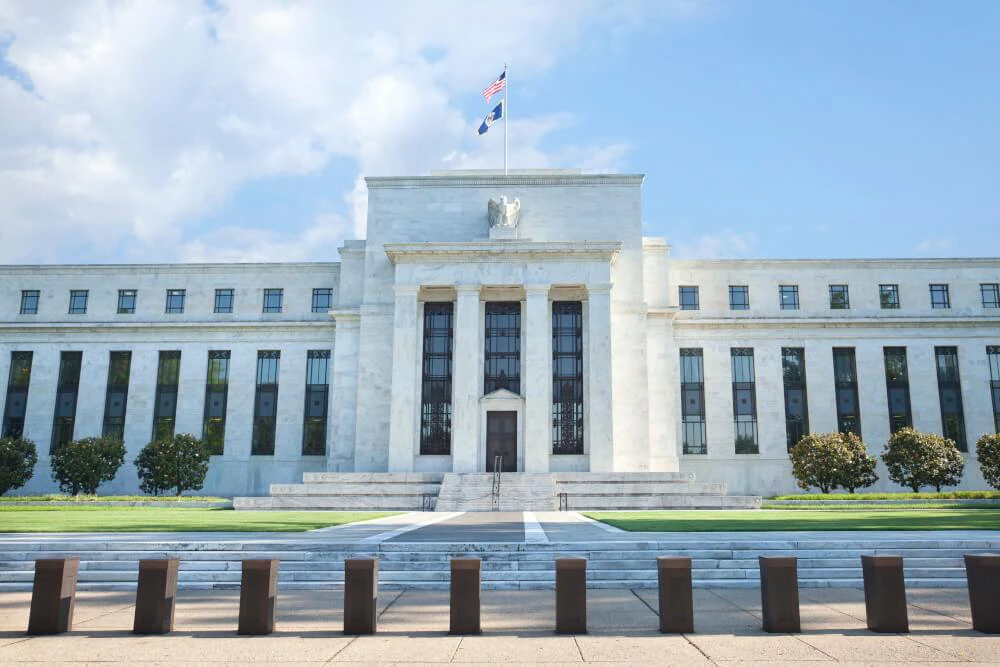
How the FOMC Statement Can Affect Major Markets
The FOMC Statement can move several markets at the same time:
U.S. Dollar:
A hawkish Fed can support the dollar because traders may expect higher U.S. interest rates. A dovish Fed can weaken the dollar if traders expect future rate cuts.
USD/JPY:
USD/JPY can move strongly because it is sensitive to the gap between U.S. and Japanese interest rates. If U.S. rates are expected to stay high while Japanese rates stay low, USD/JPY can rise.
Gold:
Gold can fall when the dollar and U.S. yields rise because gold does not pay interest. Lower rate expectations can support gold.
Stock Indices:
Stock indices can fall when rate expectations rise because higher borrowing costs can pressure company profits and valuations.
What Happened at Last Week’s FOMC Meeting?
Last week’s FOMC meeting, held on June 17, 2026, was a good example of how markets can move even when interest rates do not change. The Fed kept rates unchanged at 3.50% to 3.75%, as expected. However, the message from new Fed Chair Kevin Warsh was more hawkish than markets had priced in. He sounded more focused on inflation and less ready to cut rates soon.
This changed expectations for future U.S. interest rates. Traders began to think rates could stay higher for longer, or even rise again later this year. As a result, the U.S. dollar strengthened, USD/JPY moved higher, while gold and stock markets came under pressure.
The main lesson is simple: the rate decision was expected, but the future message surprised the market.
How to Trade Around FOMC Events
FOMC releases can create fast and unpredictable price action, so preparation is more important than prediction. The first move is often not the best trade.
Before the meeting, traders should check the expected rate decision, recent inflation and employment data, recent Fed comments, market pricing for future rate changes, and key support and resistance levels.
A simple way to think about FOMC trading is to plan for three possible approaches:
1. Avoid the first move
The first reaction can be sharp but misleading. Algorithms and headline traders often move the market before the full statement has been understood. Waiting 15 to 30 minutes can help traders avoid chasing a false breakout.
2. Watch for a reversal
After the first move, traders read the full statement and listen to the press conference. If the Fed Chair’s tone is different from the first market reaction, prices may reverse. This is why the 2:30 p.m. ET press conference can be just as important as the statement.
3. Look for a larger trend
If the FOMC message shows a major shift in policy, the move can continue for days or weeks. This is more likely after a surprise rate change, a clear change in inflation language, a shift in the dot plot, or a new Fed Chair taking a different approach.
The goal is not to predict every move. The goal is to understand expectations, wait for confirmation and manage risk carefully.
Understand the Market More by Following the FOMC Statement
The FOMC Statement is important because it helps traders understand where U.S. interest rates may go next. Interest rates are one of the biggest drivers of FX and CFD markets. The rate decision matters, but it is often already expected. The bigger move usually comes from the Fed’s message about the future. For FX traders, this can move U.S. dollar pairs such as EUR/USD, GBP/USD and USD/JPY. For CFD traders, it can also affect gold, oil and stock indices.
The main lesson is that markets trade the future. When traders understand whether the Fed is becoming more hawkish or dovish, they can better understand why markets are moving. FOMC days can be volatile, but they are also a good chance to connect price action with fundamentals. By preparing before the event, waiting for confirmation and managing risk, traders can make better trading decisions.